- English
- French
- German
- Portuguese
- Spanish
- Russian
- Japanese
- Korean
- Arabic
- Greek
- German
- Turkish
- Italian
- Danish
- Romanian
- Indonesian
- Czech
- Afrikaans
- Swedish
- Polish
- Basque
- Catalan
- Esperanto
- Hindi
- Lao
- Albanian
- Amharic
- Armenian
- Azerbaijani
- Belarusian
- Bengali
- Bosnian
- Bulgarian
- Cebuano
- Chichewa
- Corsican
- Croatian
- Dutch
- Estonian
- Filipino
- Finnish
- Frisian
- Galician
- Georgian
- Gujarati
- Haitian
- Hausa
- Hawaiian
- Hebrew
- Hmong
- Hungarian
- Icelandic
- Igbo
- Javanese
- Kannada
- Kazakh
- Khmer
- Kurdish
- Kyrgyz
- Latin
- Latvian
- Lithuanian
- Luxembou..
- Macedonian
- Malagasy
- Malay
- Malayalam
- Maltese
- Maori
- Marathi
- Mongolian
- Burmese
- Nepali
- Norwegian
- Pashto
- Persian
- Punjabi
- Serbian
- Sesotho
- Sinhala
- Slovak
- Slovenian
- Somali
- Samoan
- Scots Gaelic
- Shona
- Sindhi
- Sundanese
- Swahili
- Tajik
- Tamil
- Telugu
- Thai
- Ukrainian
- Urdu
- Uzbek
- Vietnamese
- Welsh
- Xhosa
- Yiddish
- Yoruba
- Zulu
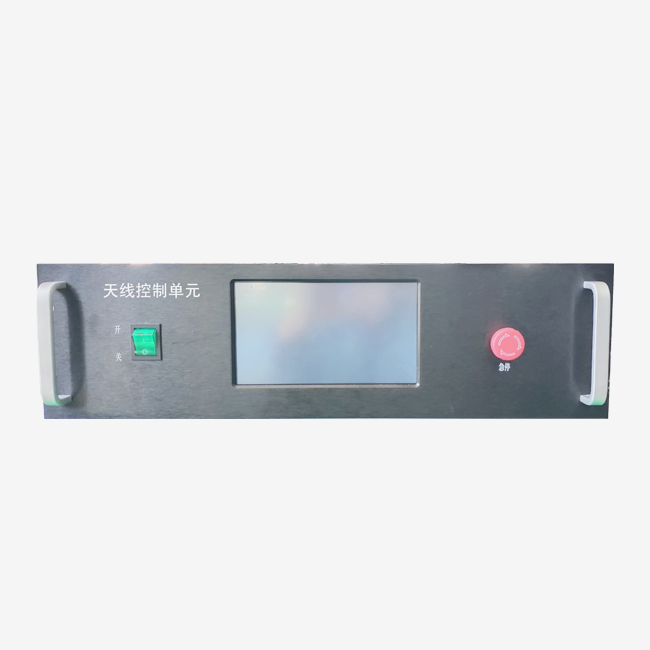
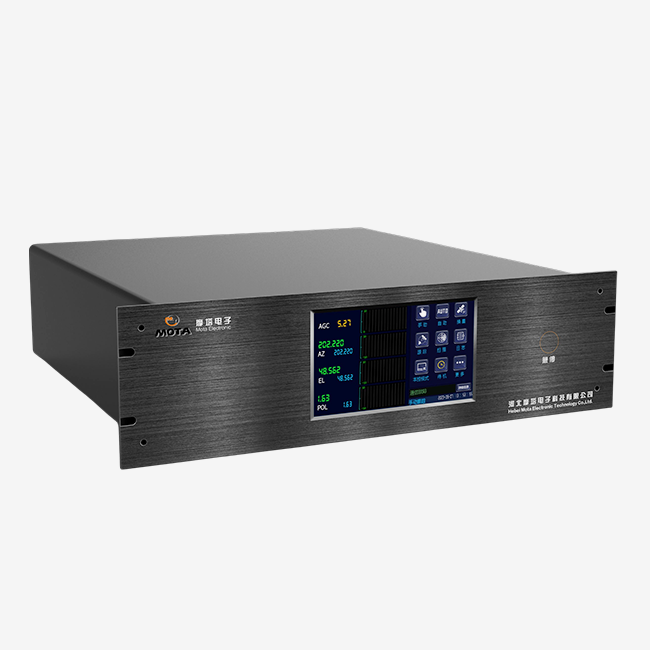
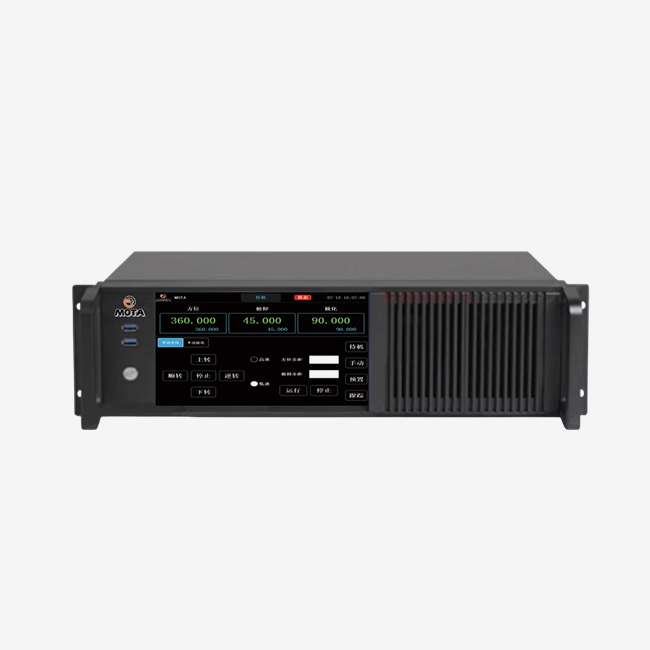
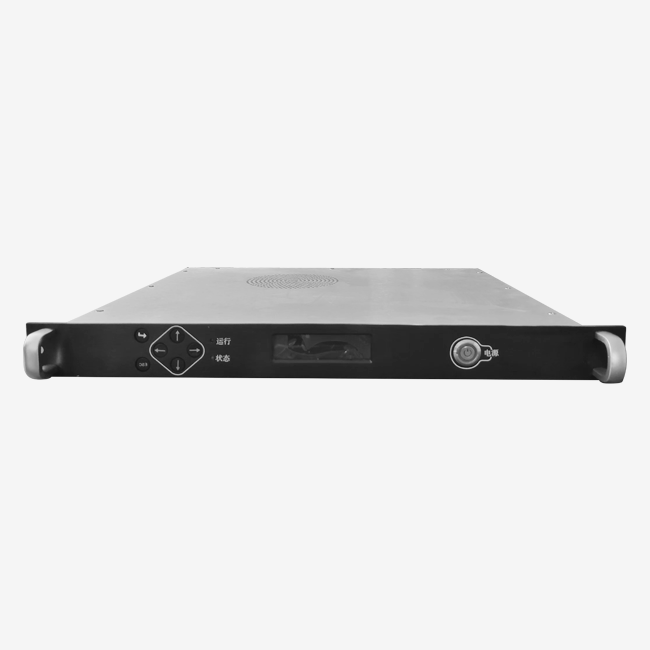
Stable Beacon Tracking Receiver
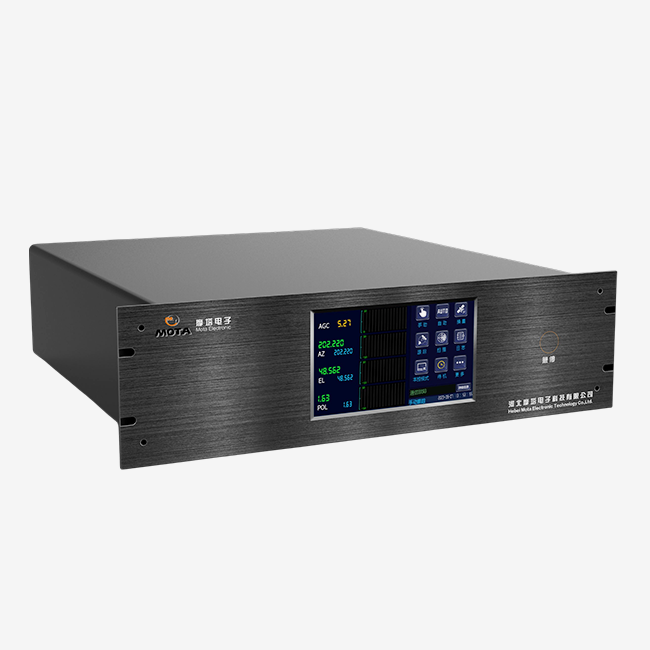
Stable Beacon Tracking Receiver – Enterprise-Grade Precision for Unattended Ground Stations
When your satellite ground station operates in harsh electromagnetic environments or extreme climates, you need a Stable Beacon Tracking Receiver that never blinks. Hebei Mota's enterprise-grade receiver delivers interference suppression exceeding 70dB, keeping your antenna locked without jitter near industrial zones, radar installations, or high-traffic base stations.
With tracking error drift held to just ≤0.005°/24h, your system maintains surgical precision even after months of continuous operation. The dual isolated output design shields your servo system from electromagnetic interference, while wide-temperature reinforcement guarantees an MTBF over 60,000 hours—ensuring your mission-critical links stay live in remote border stations, maritime platforms, and unattended teleports where manual intervention is impossible.
Why Mota's Beacon Tracking Receiver Stands Apart?
Unmatched Anti-Interference Engineering
You're not just fighting signal fade—you're battling clutter from nearby radars, industrial RF noise, and dense cellular networks. Our product employs high-isolation filtering and narrowband phase-locked tracking to suppress interference by ≥70dB. This means your antenna won't jitter or trigger false alarms when trucks pass by with portable radios or when adjacent microwave links spike.
Whether you're managing a VSAT hub in an industrial park or a government earth station near military radar, this receiver keeps your boresight locked.
Zero Drift for Ultra-Long Operations
Thermal expansion, component aging, and diurnal temperature swings can cause conventional receivers to drift. Not this one. With tracking error drift confined to ≤0.005° per 24 hours, your precision doesn't degrade after weeks or months of runtime.
This is critical for Ka-band and Ku-band links where even 0.02° misalignment can cost you 3dB of margin. You won't need weekly recalibration—just set it and trust it.
Dual Isolated Output Protection
Interference doesn't stop at the RF front end. Noise can couple into your servo control lines and cause runaway commands. That's why we built dual isolated outputs—one analog (0–10V) for legacy Antenna Control Units, and one digital (RS-232/RS-485) for modern telemetry systems.
The isolation barrier ensures that electromagnetic transients never propagate into your motion controller. Your Stable Beacon Tracking Receiver becomes a fail-safe firewall between the RF world and your mechanical actuators.
Extreme Environment Reliability
From frozen Mongolian steppes at -45℃ to scorching Middle Eastern deserts at +75℃, this receiver keeps performing. IP51 protection guards against dust infiltration, and our wide-temperature component selection ensures the internal oscillator won't hop frequencies under thermal shock.
With an MTBF exceeding 60,000 hours (nearly seven years of continuous operation), you can deploy it in unmanned ground stations where service visits cost thousands of dollars and weeks of downtime.
Technical Specifications
| Parameter | Value |
|---|---|
| Receiving Band | 1000MHz – 2000MHz |
| Receiving Sensitivity | ≤ -128dBm |
| Interference Suppression Capability | ≥ 70dB |
| Tracking Error Drift | ≤ 0.005°/24h |
| Output Mode | Digital / Analog dual isolated output |
| Operating Temperature | -45℃ to +75℃ |
| Protection Grade | IP51 |
| Adapted Scenarios | Industrial radar and strong interference areas |
Where You'll Deploy This Receiver?
Large-Scale Toady Teleports
Automate your step-tracking or monopulse frameworks with 24/7 unwavering quality for worldwide broadcast and information trunking services.
Maritime and Versatile Platforms
Provide millisecond-level input to stabilized COTM recieving wires on vessels exploring overwhelming oceans or vehicles navigating rough border terrain.
Remote Government and Military Infrastructure
Maintain bolt in extraordinary glitter zones, high-altitude locales, and tropical climates where ordinary following strategies falter.
Unattended Border and Crisis Stations
Deploy once and forget—our receiver's ultra-low float and tall MTBF let you check on ceaseless uplink indeed in districts with no field technicians.

FAQ
Q: How does this recipient handle Doppler move from moving satellites?
A: It employments an coordinates search-and-capture calculation that filters a pre-defined recurrence window, consequently compensating for orbital movement offsets.
Q: What's the distinction between analog and computerized outputs?
A: Analog yields (0–10V) work with bequest ACUs, whereas computerized yields (RS-232/RS-485 or Ethernet) empower farther checking, SNMP integration, and telemetry logging.
Q: Can it track balanced signals, or as it were CW tones?
A: Our collector bolsters both Persistent Wave (CW) and balanced signal designs counting BPSK and QPSK.
Q: What happens if the signal flag is briefly lost?
A: The unit triggers a 'Signal Loss' alert and instrument the ACU to enter memory-tracking or 'stay-put' mode until re-acquisition.
Q: Do I require a square downconverter (BDC)?
A: If you're following C, Ku, or Ka-band signals, yes—use a standard LNB or BDC to down-convert the flag to the receiver's L-Band input (1000–2000 MHz).
Q: How is quality control performed on each unit?
A: Each collector experiences affectability edge testing (lock-on at -110 dBm), warm cycling (-20°C to +70℃), energetic extend linearity confirmation, and adjoining carrier dismissal tests to ensure field unwavering quality.
Partner with Mota for Mission-Critical Tracking
Ready to eliminate jitter, drift, and downtime with Stable Beacon Tracking Receiver? Contact our team at hebei_mota@163.com to discuss your ground station requirements and receive a technical consultation today.
Tell us your requirements – get a tailored quote and technical support within 24 hours.