- English
- French
- German
- Portuguese
- Spanish
- Russian
- Japanese
- Korean
- Arabic
- Greek
- German
- Turkish
- Italian
- Danish
- Romanian
- Indonesian
- Czech
- Afrikaans
- Swedish
- Polish
- Basque
- Catalan
- Esperanto
- Hindi
- Lao
- Albanian
- Amharic
- Armenian
- Azerbaijani
- Belarusian
- Bengali
- Bosnian
- Bulgarian
- Cebuano
- Chichewa
- Corsican
- Croatian
- Dutch
- Estonian
- Filipino
- Finnish
- Frisian
- Galician
- Georgian
- Gujarati
- Haitian
- Hausa
- Hawaiian
- Hebrew
- Hmong
- Hungarian
- Icelandic
- Igbo
- Javanese
- Kannada
- Kazakh
- Khmer
- Kurdish
- Kyrgyz
- Latin
- Latvian
- Lithuanian
- Luxembou..
- Macedonian
- Malagasy
- Malay
- Malayalam
- Maltese
- Maori
- Marathi
- Mongolian
- Burmese
- Nepali
- Norwegian
- Pashto
- Persian
- Punjabi
- Serbian
- Sesotho
- Sinhala
- Slovak
- Slovenian
- Somali
- Samoan
- Scots Gaelic
- Shona
- Sindhi
- Sundanese
- Swahili
- Tajik
- Tamil
- Telugu
- Thai
- Ukrainian
- Urdu
- Uzbek
- Vietnamese
- Welsh
- Xhosa
- Yiddish
- Yoruba
- Zulu
How to Choose an Indoor Fixed Satellite Antenna for Your Application
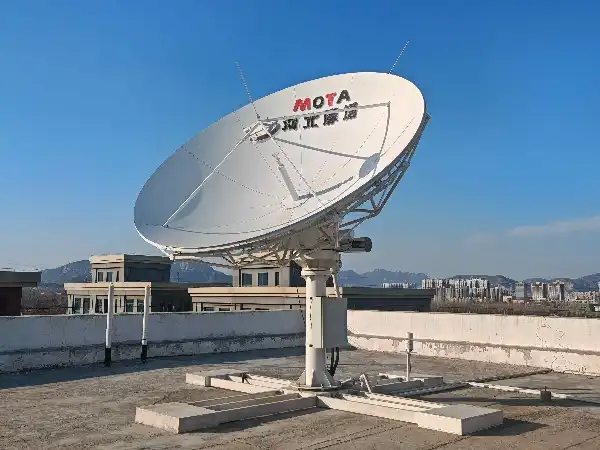
To choose an indoor fixed satellite antenna, start with the room where it will sit, then check four points: frequency band, signal quality, physical size, and mounting method. Match the band to your satellite service, look for a low noise figure and strong transceiver isolation, and confirm the unit fits on a desk or wall without drilling. Our MOTA Ku-band model covers 10.7–12.75 GHz, measures no more than 20 cm × 20 cm × 5 cm, weighs up to 1.2 kg, and aligns in about 1.5 minutes. I walk through each step below.
Understanding Indoor Fixed Satellite Antennas: Basics and Benefits
How an Indoor Fixed Satellite Antenna Works
A satellite that stays in the sky sends signals to a fixed satellite antenna inside a building. There are geostationary satellites in space about 35,786 km above the equator. They move with the Earth, which makes it look like they're not moving. That's why a fixed antenna can stay put after you point it.
A low-noise front end picks up the weak signal and doesn't add much noise either. It then connects to a device, like a TV, computer, or small security camera. You don't have to put these parts together because our MOTA unit has them all built into one body. You just plug it in instead. Just aim it once to make sure the link works, and then leave it alone.
Benefits of Placing the Antenna Indoors
When you put something inside, you don't have to worry about stairs, roof leaks, or the weather. The outside of the building doesn't change, so landlords and homeowner associations don't have to fight. The Over-the-Air Reception Devices rule from the FCC includes some outdoor setups.
But renters can't always share roofs or walls, so an indoor room is best for them. Dust and spills can happen inside too. Based on IEC 60529. our unit has an IP63 grade, which means it is safe from dust and water spray. Be careful: even if you set up inside, you still need a clear path to the satellite, so find a spot near a window that faces the right half of the sky.
Indoor Units Versus Outdoor Dishes
To put dishes outside, you need gear, people to run cables through the walls, and generally someone on top of the building. Inside units skip most of that work, which saves time and keeps finished interiors from getting damaged. The weather is the other hole. Wind, snow, and UV light can damage hardware that is outside.
On the other hand, people who live in indoor homes stay in a controlled setting. An outdoor dish with a bigger opening can pick up more signal, which is a good thing. A place with a weak link might need one. It doesn't matter where you put the antenna; rain will weaken Ku-band signals all the way from the ship to your house. To watch TV, use the internet, or get camera views when digging isn't allowed or when the link demand is low, an inside unit is best.
Key Criteria for Choosing an Indoor Fixed Satellite Antenna
Frequency Band and Signal Quality
Start with the band. Our indoor fixed satellite antenna supports the Ku-band specification below. As long as your satellite service works in the same 10.7–12.75 GHz Ku-band range as ours, everything should be fine. You need different gear for L-band and C-band services. After that, read the noise figure. It's 1.2 dB for us. If the number is low, it means that the receiver doesn't add as much noise to a weak signal. After that, look at transceiver isolation.
When the noise level is ≥80 dB, our machine stops the send path from getting into the receive path. This keeps the link stable. Also think about the weather. In ITU-R Recommendation P.618 it is said that rain can weaken communications above 10 GHz. This is where Ku-band is. Putting it inside won't fix the rain fade on the way to the satellite.
Size, Weight, and Mounting Method
Units can only go where they're the right size. It's about 20 cm long, 20 cm wide, and 5 cm thick, and it weighs up to 1.2 kg. You can put it on a desk, a shelf, or the wall. When someone moves out, you don't have to drill, anchor, or patch anything on the walls because of traceless adhesive mounting.
Glue will stick better to walls that are clean, smooth, and strong. Our standard lets you choose between 1.8 m, 1.0 m, 0.9 m, and 0.8 m apertures. Our techs will make sure you get the right link before you place your order. Just let them know what kind of link you need. Property managers also care about how things look. The device doesn't take up too much space because it has a small, simple body.
Power Draw, Noise, and Protection
In many places, power adds up. Our unit uses 0.4 W when it's working and 0.8 W when it's not. It uses about 35 kWh a year to run at 4 W all the time and 7 kWh a year to sleep at 0.8 W. With 500 rooms and 4 W per room, the hotel would use 17,520 kWh a year, so low draw is important to keep costs down.
The unit doesn't make noise, which is good for places where people don't want to hear fans, like beds, meeting rooms, and study dens. Protected by IP63, it will stay clean even if you clean it or spill something on it. On every model you look at, you should check these three numbers.
Budget, Warranty, and Cost per Site
The price per unit doesn't tell the whole story. There are extra costs for shipping, workers to set up, and a second call if a machine breaks. Just to get set up, our antenna takes about 1.5 minutes of alignment time. That's 12.5 hours of alignment time for 500 rooms. This number is good for setting prices for work. You should ask for a price that goes down as the number of sites you have goes down.
Then read the warranty's terms. With an international standard warranty plan for the whole unit, MOTA has a lot of options. This is because it takes money for technicians to drive and spend time on each service call. Not having as many problems is more important than having a small price difference.
Installation, Orientation, and Troubleshooting Guide
Prepare the Site and Gather Tools
Being ready can keep you from having to go back. Our indoor fixed satellite antenna follows this simple installation workflow. First, call your service provider and ask them where the satellite is and how to see it from where you are. In the southern sky over the United States, geostationary satellites can be seen.
Find a spot near a door or window that faces south. Next, get close to a wall outlet. Clean and dry the wall area with a cloth before putting it up. After that, press the glue down. You don't need anything else. This is where you can test the link. Just bring the TV, computer, or camera you want to connect along with its cord.
Aim and Link in About 1.5 Minutes
Setting up takes little time. The antenna can be placed on the desk or pressed against the wall where it has been marked. After you hook it up to your TV, computer, or camera, turn it on. Set it up so it points at the satellite and make any other changes that are needed until the link is made.
Our design can align the satellites in about 1.5 minutes, even for people who aren't very good with technology, because the unit is already there and ready to go. If the link is already made, check the picture or data on the linked device before you leave. For hotel and apartment projects, I think you should finish a sample room first, get the engineering team's OK, and then do the same things in every room.
Troubleshoot Common Problems
There are five main things that cause most problems. A building, a tree, or a curtain wall can block the path. Glass that is covered with metal, like some Low-E windows, might not let the signal through as well. Open a different view. It only takes a small mistake to make the link fall, so do it again. Ku-band signals can be weak for a short time when it rains, but the link usually gets stronger again when the weather clears.
If any of the power or cord links aren't tight, things can also fall. Make sure they are all tight. If the problem doesn't go away, please call our team. We offer remote technical support seven days a week, 24 hours a day, for setting up, fixing, and upgrading systems. Our partners can also set up on-site help and quick delivery of spare parts.
Comparing Indoor Fixed Satellite Antenna Options and Suppliers
Compare Models by Use Case
. Give each model a task to do. For basic internet and TV shows at home, all you need is a small device that you can plug into your TV or computer. In a small office, you need a steady link and quiet operation close to the seats. With cameras that are on all day, it's important that the power is low for monitoring inside.
List the types you're interested in along with their band, noise figure, isolation, size, weight, power, mounting, and protection grade. Lay these lists next to each other. In the Ku band, our antenna works with ≤4 W of power, has a separation level of ≥80 dB, weighs ≤1.2 kg, and is protected by IP63. You should be wary of any number that a provider can't write down.
Judge Brands and Supplier Strength
It doesn't matter how good the specs are if the thing can't be made again. Look over the paperwork and ask for extra copies. When it opened in 2017, Hebei Mota was a company that made and sold things. We have ISO 9001, ISO 14001, and ISO 45001 licenses, among others. Along with that, we have the GJB 9001C military quality system and a type approval for radio communication gear.
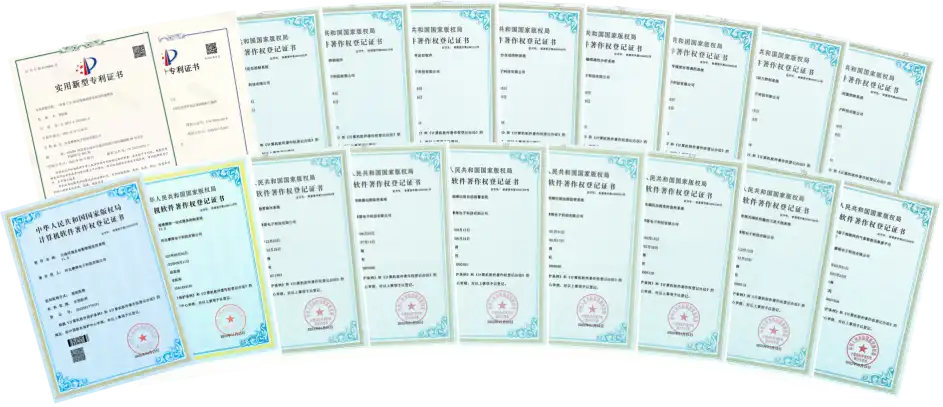
Aside from that, we are a national high-tech company that helps police and citizens work together. Our indoor fixed satellite antenna benefits from our standardized quality control system. Making sure that quality processes are always the same is what ISO 9001 is all about. This is important when you need every unit in a lot to work the same. We own several intellectual property rights that protect the radio and tracking devices we made ourselves.
Weigh Cost, Warranty, and Support
Look at the whole deal, not just the price per unit. While you're shopping, find out how constant each batch is, how common flaws are, and how long it takes to fix or replace something. It costs money to send returns late. At MOTA, they keep stock on hand for frequent sales and offer a warranty that covers the whole unit that is in line with foreign standards. Plans can also be changed.
We also set up specialized after-sales support through working together, such as having experts come to your site to help and getting spare parts to you quickly. We handle the customs and business planning paperwork, so your staff doesn't have to spend as much time on it. Before you choose, write down what help you need and look at it from different providers.
How to Procure Indoor Fixed Satellite Antennas: Tips for B2B Buyers
Pick the Right Procurement Channel
Buyers usually start on B2B platforms such as Alibaba.com or Made-in-China.com, through Google searches for OEM terms, at industry trade shows, or by referral from peers. Each channel works, but the supplier behind the listing matters more than the platform.
Working directly with a manufacturer removes middle layers and makes customization faster. Before you commit, verify company registration, certificates, and sample quality. Ask the factory to confirm specifications in writing, and run your own signal test. Our team replies to inquiries around the clock, so your questions and quote requests move forward without delay.
Plan Samples, Orders, and OEM Needs
Between two and four weeks pass between when the request is made and when the sample tests are given. Next are checks on the packing and whether the rules are being followed, a test order, and regular restocking. When ODM and OEM work on private label projects, MOTA helps them figure out what the hardware does, how it looks, and how it talks to other devices. We also check that the designs we make are legal in the country where they will be used.
Early on, talk about your brand, color box, and language needs. We have stock that can fill regular orders right away, but it takes 45 to 90 days to make special or large systems. You should talk to a qualified compliance advisor about the FCC equipment authorization rules for the US market and agree in writing who will be in charge of each certification task.
Negotiate Terms and Protect Your Margin
You can keep your cost per customer low if you have good terms. To avoid making a big mistake, ask for different price ranges, a test order, and clear rules for orders that include both types of models. You should talk about and write down regional uniqueness as soon as possible if you want to turn the product into a brand. If you want to be a long-term partner, we offer low prices and easy payment terms.
To move things around, we use international dedicated lines, sea freight, and air freight. We also help track, clear customs, and store goods overseas, and we pack fragile items in materials that don't break easily when they get wet or shock. When someone wants to buy a hotel room or apartment, they should also ask for a sample room trial. This way, the property team can see how the room looks and how loud it is.
Conclusion
You should make sure that the indoor fixed satellite antenna for your house works with the service and where you live. With fixed satellites, you can stay in one place for a long time. Putting them inside also keeps you from having to work on buildings. But they need a clear view of the sky and can't fix Ku-band rain fade. The most important things are the noise figure, transceiver separation, small size, placement without traces, low power use, quiet operation, and IP63 protection.
For installation, it's important to get the site ready, quickly line it up, and make a short list of things that need to be fixed, like glass coats, blockages, and loose wires. It is less risky to compare models based on use cases and suppliers based on certifications, warranties, and customer service. When OEM terms are clear and compliance duties are written down, it's easier to plan for big purchases.
FAQ
Can an indoor fixed satellite antenna connect to a DVR or camera system?
Our unit connects directly to TVs, computers, and small surveillance cameras. DVR compatibility depends on the interface, so send us your DVR model and we will check it against the unit's connections.
Does installation require drilling?
No. Traceless mounting lets you fix the unit to a wall without holes, and you can also set it on a desk. Clean the surface first so the adhesive holds well.
How long does satellite alignment take?
About 1.5 minutes. The integrated, plug-and-play design keeps the process short, even for non-technical users.
How do I improve signal in a difficult room?
Choose a window with a clear view toward the satellite. Metal-coated glass and nearby buildings weaken signals, so test another position before you decide.
Can I put my own brand on the product?
Yes. MOTA supports ODM and OEM work, including hardware appearance, interface protocols, and function modules adapted to your target country's rules.
Choose Your Indoor Fixed Satellite Antenna with MOTA
ITU-R P.618-13, which came out in 2017, says that propagation data and forecast tools must be included in the design of earth-space communication systems. For inquiries related to this standard, you can reach out via mailto:hebei_mota@163.com.
References
1. ITU-R Recommendation P.618-13, Propagation Data and Prediction Methods Required for the Design of Earth-Space Telecommunication Systems, 2017
2. IEC 60529, Degrees of Protection Provided by Enclosures (IP Code), 2013
3. Satellite Communications, 2nd Edition (Pratt, Bostian, Allnutt), Wiley, 2003
4. Satellite Communications Systems, 5th Edition (Maral, Bousquet), Wiley, 2009
5. ISO 9001, Quality Management Systems – Requirements, 2015
6. Federal Communications Commission, Over-the-Air Reception Devices Rule, 47 CFR 1.4000, 1996
Tell us your requirements – get a tailored quote and technical support within 24 hours.