- English
- French
- German
- Portuguese
- Spanish
- Russian
- Japanese
- Korean
- Arabic
- Greek
- German
- Turkish
- Italian
- Danish
- Romanian
- Indonesian
- Czech
- Afrikaans
- Swedish
- Polish
- Basque
- Catalan
- Esperanto
- Hindi
- Lao
- Albanian
- Amharic
- Armenian
- Azerbaijani
- Belarusian
- Bengali
- Bosnian
- Bulgarian
- Cebuano
- Chichewa
- Corsican
- Croatian
- Dutch
- Estonian
- Filipino
- Finnish
- Frisian
- Galician
- Georgian
- Gujarati
- Haitian
- Hausa
- Hawaiian
- Hebrew
- Hmong
- Hungarian
- Icelandic
- Igbo
- Javanese
- Kannada
- Kazakh
- Khmer
- Kurdish
- Kyrgyz
- Latin
- Latvian
- Lithuanian
- Luxembou..
- Macedonian
- Malagasy
- Malay
- Malayalam
- Maltese
- Maori
- Marathi
- Mongolian
- Burmese
- Nepali
- Norwegian
- Pashto
- Persian
- Punjabi
- Serbian
- Sesotho
- Sinhala
- Slovak
- Slovenian
- Somali
- Samoan
- Scots Gaelic
- Shona
- Sindhi
- Sundanese
- Swahili
- Tajik
- Tamil
- Telugu
- Thai
- Ukrainian
- Urdu
- Uzbek
- Vietnamese
- Welsh
- Xhosa
- Yiddish
- Yoruba
- Zulu
How to Choose the Right High Gain Satellite Antenna for Your Project?
Selecting the right high-gain satellite antenna requires careful evaluation of your project's technical requirements, operational environment, and long-term performance expectations. A high-gain fixed satellite antenna serves as the backbone of reliable satellite communication systems, delivering superior signal strength and stability for mission-critical applications. When choosing an antenna, you must assess frequency band compatibility—such as Ku, Ka, C, X, S, or QV bands—along with gain specifications, environmental resilience, integration capabilities, and alignment precision. The decision impacts not only initial deployment costs but also operational efficiency, maintenance demands, and communication reliability throughout the antenna's service life. Understanding these factors positions you to make informed choices that align with your specific industrial, aerospace, or defense communication needs.
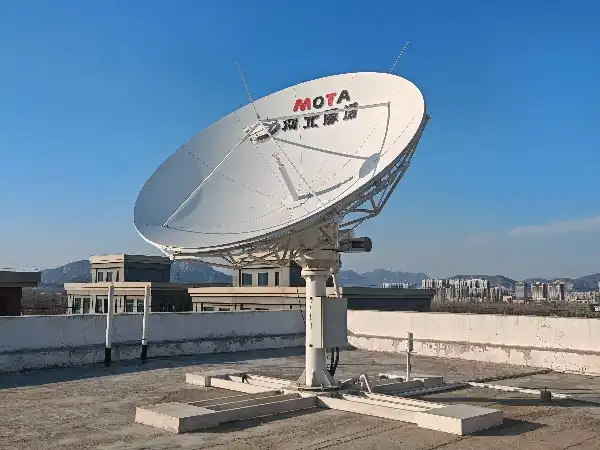
Understanding High-Gain Fixed Satellite Antennas: Basics and Benefits
High-gain fixed satellite antennas are precision-engineered devices designed to maximize signal strength over extended distances, making them indispensable for ground stations, mobile command centers, and remote industrial sites. These systems differ fundamentally from standard antennas through their ability to concentrate electromagnetic energy into narrow beamwidths, which reduces signal loss and improves link quality even across thousands of kilometers.
Core Components and Frequency Band Technologies
Modern satellite antennas operate across multiple frequency bands, each offering distinct advantages. C-band (4-8 GHz) provides excellent rain fade resistance, making it suitable for tropical climates. The Ku-band (12-18 GHz) offers higher bandwidth with moderate equipment size and is widely adopted for broadcasting and VSAT networks. Ka-band (26.5-40 GHz) delivers the highest data throughput but requires more sophisticated compensation for atmospheric attenuation. X-band (8-12 GHz) remains the standard for military and government applications due to its secure transmission characteristics. S-band (2-4 GHz) supports mobile satellite services, while Qv-band represents emerging high-frequency spectrum allocations.
The antenna's parabolic reflector concentrates incoming signals onto the feed horn, where low-noise block converters (LNBs) amplify and downconvert frequencies for processing. Block upconverters (BUCs) perform the reverse function for transmission. Surface accuracy, typically measured in RMS (root mean square) millimeters, directly affects performance—Ka-band systems demand submillimeter precision to maintain phase coherence and prevent gain degradation.
Advantages for Industrial and Commercial Applications
Industrial automation networks benefit from satellite connectivity where terrestrial infrastructure proves impractical or unreliable. Remote oil platforms, mining operations, and agricultural monitoring systems rely on these antennas for real-time data transmission. Manufacturing facilities with global supply chains use satellite links to coordinate logistics, track shipments, and manage inventory across continents.
Commercial deployments in telecommunications, broadcasting, and emergency services require antennas that maintain consistent performance regardless of weather conditions. Modern designs incorporate materials resistant to corrosion, UV degradation, and thermal expansion, ensuring longevity in harsh environments. The integration of intelligent power management systems and automated tracking algorithms reduces operational complexity while improving uptime—critical factors for enterprises where downtime translates to significant revenue loss.
Essential Performance Specifications
Antenna gain in a high-gain fixed satellite antenna system, measured in dBi (decibels relative to an isotropic radiator), indicates how effectively the antenna concentrates signal energy. Higher gain values enable communication with satellites at greater distances or with smaller spacecraft transponders. Beamwidth inversely correlates with gain—narrow beams provide higher gain but require more precise pointing. Antenna efficiency, typically ranging from 55% to 70%, reflects how much of the captured energy reaches the feed system versus being lost to sidelobes or surface imperfections.
Criteria for Choosing the Right High-Gain Satellite Antenna
Identifying the optimal antenna solution demands a systematic evaluation process that balances technical capabilities against operational realities and budget constraints.
Assessing Project-Specific Requirements
Large-scale industrial deployments using a high-gain fixed satellite antenna system differ fundamentally from smaller commercial installations in their scalability demands, redundancy requirements, and integration complexity. A multinational logistics company coordinating cross-border supply chains needs antennas capable of supporting multiple simultaneous connections with guaranteed uptime exceeding 99.9%. Conversely, a regional broadcasting station might prioritize cost efficiency and ease of maintenance over redundant systems.
Project scale influences not only the antenna aperture size but also the supporting infrastructure. Ground stations supporting high-throughput satellites require sophisticated tracking systems, automated calibration routines, and weather compensation algorithms. Remote site installations may prioritize rapid deployment capabilities and minimal maintenance needs over maximum performance.
Environmental and Frequency Considerations
The operational environment directly impacts antenna selection. Coastal installations face accelerated corrosion from salt spray, demanding specialized protective coatings and materials meeting MIL-STD-810G standards. Arctic deployments require heaters to prevent ice accumulation on reflector surfaces, while desert locations need thermal management to prevent electronics degradation in extreme heat.
Frequency band selection depends on your specific communication requirements. The Ka-band delivers superior bandwidth for high-definition video transmission and large data transfers but suffers more pronounced rain fade in tropical regions. Ku-band strikes a balance between performance and weather resilience. Multi-band compatible high-gain fixed satellite antennas supporting Ku/Ka/S/X/C/Qv-band switching provide maximum flexibility, allowing operators to adapt to changing satellite availability, bandwidth demands, and atmospheric conditions without hardware replacement.
Performance Metrics and Infrastructure Compatibility
Evaluating performance requires understanding the relationship between gain and coverage patterns. An antenna with 40 dBi gain might provide excellent long-range communication, but it creates a beamwidth so narrow that tracking precision becomes critical. Systems supporting mobile platforms or areas with satellite movement need rapid reacquisition capabilities—modern solutions complete satellite alignment and link establishment in under three minutes through two-axis self-stabilizing platforms and proprietary pointing algorithms.
Compatibility with existing infrastructure affects deployment timelines and costs. Plug-and-play integrated designs incorporating BUC/LNB modules, modems, and intelligent power management systems simplify installation and reduce integration risks. Transceiver isolation specifications (≥85dB recommended) prevent self-interference in simultaneous transmit-receive operations. First sidelobe levels (<- 14 dB) minimize signal spillage into adjacent satellites, reducing interference and ensuring regulatory compliance.
Financial Considerations and Total Cost of Ownership
Upfront acquisition costs represent only one component of total ownership expenses. Maintenance requirements, spare parts availability, and expected service life significantly impact long-term value. Industrial-grade antennas with core components meeting high-reliability standards typically command premium pricing but deliver lower failure rates and extended operational lifespans.
Volume purchasing for multi-site deployments unlocks economies of scale through bulk pricing and standardized configurations that simplify logistics and training. However, buyers must balance cost savings against the risk of technology obsolescence—committing to a single antenna model across dozens of sites might create vulnerabilities if that technology becomes outdated or unsupported.
Comparing High-Gain Fixed Satellite Antennas With Other Antenna Types
Understanding how different antenna technologies compare helps procurement decision-makers match solutions to specific operational requirements.
Signal Strength and Coverage Capabilities
High-gain fixed satellite antenna installations deliver superior performance for permanent ground stations where maximum link margin matters more than mobility. Their large apertures and precision mounting systems achieve gains exceeding 45 dBi, enabling communication with distant satellites or compensating for weak transponder signals. Lower-gain antennas, typically below 30 dBi, suffice for strong signal environments or applications tolerating reduced data rates.
Parabolic reflector designs dominate high-gain applications due to their proven performance and cost-effectiveness at scale. Phased array antennas offer electronic beam steering without mechanical movement, but currently cannot match the gain-to-cost ratio of parabolic designs for fixed installations. Directional flat panel antennas provide compact form factors suitable for mobile platforms but sacrifice gain for portability.
Application Suitability and Deployment Scenarios
Fixed installations excel where communication requirements are predictable, and the location remains constant. Teleport operations, broadcast uplink facilities, and enterprise network hubs benefit from the maximum performance and reliability that permanent mounting provides. These systems withstand wind loads exceeding 200 km/h when properly installed, maintaining pointing accuracy within 0.1 degrees even during storms.
Mobile antenna systems prioritize rapid deployment and transportability over maximum gain. Military communications, disaster response, and remote broadcast applications require antennas that vehicle-mounted teams can deploy within minutes. While sacrificing some performance compared to fixed installations, advanced mobile systems now achieve impressive capabilities—maintaining stable 1080p video transmission even in 7-level wind conditions through sophisticated stabilization platforms.
Durability and Maintenance Requirements
The environmental resistance of a high-gain fixed satellite antenna separates industrial-grade antennas from consumer equipment. Antennas operating in temperature ranges from -25℃ to +55℃ require components specifically rated for thermal cycling stress. Reflector materials must resist warping across temperature extremes that could degrade surface accuracy and reduce gain. Feed system electronics need conformal coating and sealed enclosures to prevent moisture infiltration in humid climates.
Maintenance demands vary significantly across antenna types. Fixed parabolic systems require periodic reflector cleaning, feed alignment verification, and structural bolt torque checks—typically annual procedures for most installations. Automated tracking systems need calibration, validation, and motor bearing inspection. Multi-band feed systems benefit from cross-polarization isolation testing to ensure optimal performance across all supported frequencies.
Where and How to Procure High-Gain Fixed Satellite Antennas
Successful procurement balances product quality, supplier reliability, and comprehensive support services that extend beyond the initial transaction.
Trusted Manufacturers and Certified Suppliers
Selecting suppliers of high-gain fixed satellite antennas with proven manufacturing experience and recognized quality certifications mitigates procurement risks. ISO9001, ISO14001, and ISO45001 certifications demonstrate commitment to quality management, environmental responsibility, and occupational health standards. Manufacturers holding these certifications maintain documented processes, traceability systems, and continuous improvement programs that reduce defect rates and ensure consistent product quality.
Domestic type approval for radio transmission equipment confirms regulatory compliance in target markets, preventing deployment delays due to certification issues. Suppliers with intellectual property portfolios—covering innovations in antenna design, tracking algorithms, and integration technologies—offer products with genuine competitive advantages rather than commodity solutions vulnerable to rapid obsolescence.
OEM Partnerships and Customization Capabilities
B2B procurement increasingly demands customized solutions tailored to specific operational requirements. Professional ODM/OEM capabilities allow hardware design modifications, interface protocol adaptations, and functional module integration aligned with unique project needs. Suppliers offering complete services from scheme design through prototyping to mass production simplify complex procurements and reduce coordination overhead.
Customization extends beyond physical hardware to include software interfaces, certification support for different regulatory jurisdictions, and integration with existing network management systems. Suppliers with 45-90 day production cycles for customized and large-scale systems provide predictability for project planning while maintaining flexibility for specification changes during development phases.
Global Logistics and Value-Added Services
Cross-border procurement introduces logistical complexities that experienced suppliers navigate through mature shipping systems. Precision electronic equipment requires professional shockproof and moisture-proof packaging to survive international transport. End-to-end tracking systems, customs clearance support, and overseas warehousing capabilities reduce delivery risks and expedite deployment timelines.
Value-added services distinguish superior suppliers from commodity vendors. Professional installation assistance ensures proper deployment from the outset, preventing performance issues caused by incorrect mounting or alignment. Comprehensive warranty programs provide financial protection against manufacturing defects. Round-the-clock technical support enables rapid troubleshooting when issues arise, minimizing downtime and maintaining operational continuity.
Step-by-Step Installation and Maintenance Guide
Proper installation and ongoing maintenance of a high-gain fixed satellite antenna system directly influence performance, reliability, and service life.
Site Assessment and Preparation
Installation begins with thorough site surveys evaluating line-of-sight to target satellites, potential obstructions, structural support capacity, and environmental factors. Antenna mounts require solid foundations capable of withstanding operational wind loads and ice accumulation in applicable climates. Grounding systems must meet local electrical codes and provide lightning protection for expensive electronics.
Required tools include precision alignment equipment, torque wrenches for proper fastener installation, signal analyzers for link verification, and safety equipment for work at height. Teams should review manufacturer installation documentation thoroughly before commencing work, noting any site-specific considerations or customization details.
Mounting, Alignment, and Signal Testing
Antenna mounting demands precision to achieve the specified pointing accuracy. Leveling the mount within manufacturer tolerances prevents azimuth and elevation errors that degrade signal quality. Reflector assembly follows documented procedures to maintain surface accuracy—improper panel alignment or fastener tension creates distortions that reduce gain and increase sidelobes.
Alignment procedures typically involve coarse pointing based on calculated look angles, followed by fine adjustment using signal strength measurements. Modern antennas with automated tracking systems perform initial acquisition through satellite detection algorithms, then optimize pointing through signal quality feedback loops. Manual verification confirms proper operation and documents baseline performance for future reference.
Signal testing validates link quality through measurements of received signal strength, carrier-to-noise ratio, and bit error rates under various operating conditions. Establishing performance baselines during installation enables troubleshooting when degradation occurs. Documentation should include alignment coordinates, signal levels, equipment serial numbers, and configuration settings.
Preventive Maintenance and Troubleshooting
Routine maintenance schedules prevent unexpected failures and extend equipment lifespan. Quarterly visual inspections identify physical damage, corrosion, or loose connections requiring attention. Annual detailed inspections include feed horn window cleaning, structural fastener torque verification, reflector surface condition assessment, and electronics enclosure seal integrity checks.
Tracking system calibration requires periodic validation to ensure continued pointing accuracy. Electronic components benefit from thermal imaging surveys, identifying abnormal heat patterns that indicate impending failures. Proactive replacement of components approaching end-of-life ratings prevents unplanned downtime.
When performance degradation occurs, systematic troubleshooting isolates root causes. Signal strength reductions might indicate reflector misalignment, feed system damage, or electronics failure. Intermittent connectivity suggests tracking issues or marginal link margins exacerbated by weather. Comprehensive diagnostic procedures, supported by remote technical assistance from suppliers offering 24/7 support, restore operations efficiently.
Conclusion
Choosing the right high-gain fixed satellite antenna involves balancing technical performance requirements against operational constraints and budget considerations. Multi-band compatibility, environmental resilience, rapid deployment capabilities, and integration simplicity all influence long-term project success. Modern solutions supporting Ku/Ka/S/X/C/Qv bands with automated tracking, plug-and-play integration, and industrial-grade reliability deliver superior value for demanding applications. Procurement from suppliers offering comprehensive customization, robust quality certifications, and global logistics support ensures seamless deployment and ongoing operational excellence.
FAQ
Which Frequency Bands Best Suit Different Project Types?
Frequency band selection depends on your specific application requirements and operational environment. Ku-band provides excellent versatility for most commercial and industrial applications, offering good bandwidth with moderate equipment costs and acceptable rain fade characteristics. Ka-band delivers maximum throughput for high-definition video backhaul and large data transfers but requires fade mitigation strategies in tropical regions. C-band excels where weather reliability matters most, though larger antenna sizes are needed to achieve equivalent gain. X-band remains preferred for military and government secure communications. Multi-band compatible antennas supporting Ku/Ka/S/X/C/Qv bands provide maximum flexibility, allowing operators to switch between frequencies based on satellite availability, bandwidth demands, and atmospheric conditions.
How Does Antenna Gain Affect Communication Quality?
Antenna gain directly influences link margin—the difference between received signal strength and the minimum level required for reliable communication. Higher-gain antennas capture more signal energy, enabling communication at greater distances, with smaller satellites, or during adverse weather conditions. Each 3 dB gain increase doubles effective signal power, significantly improving link reliability. However, higher gain creates narrower beamwidths, requiring more precise pointing and tracking. Projects prioritizing reliability over cost typically specify antennas with gain margins exceeding minimum link budget requirements, providing a performance buffer for unexpected conditions.
What Distinguishes Fixed Antennas From Mobile Variants?
Fixed installations optimize maximum performance through large apertures, rigid mounting structures, and precision alignment systems that maintain pointing accuracy within 0.1 degrees. They achieve higher gains and better signal quality than mobile equivalents but require permanent installation. Mobile antennas prioritize rapid deployment, transportability, and operation during movement through sophisticated stabilization platforms. Modern mobile systems achieve remarkable capabilities—including 1080p video transmission in 7-level winds—but generally offer lower gain than comparably priced fixed installations. Project requirements regarding deployment location permanence and performance priorities determine which approach provides optimal value.
Partner With MOTA for Your High-Gain Fixed Satellite Antenna Requirements
MOTA brings nine years of manufacturing excellence to satellite communication solutions, backed by ISO9001, ISO14001, and ISO45001 certifications. Our multi-band antennas supporting Ku/Ka/S/X/C/Qv frequencies complete satellite alignment in three minutes through proprietary tracking algorithms, maintaining 1080p transmission even in harsh conditions. We offer complete ODM/OEM customization, 45-90 day production cycles for large-scale systems, and 7×24 technical support. As a trusted high-gain fixed satellite antenna supplier, we provide end-to-end services from design through global delivery with professional logistics and localized after-sales support. Contact our team at hebei_mota@163.com to discuss your project requirements and discover how our proven solutions optimize your satellite communication infrastructure.

References
1. Freeman, Roger L. Radio System Design for Telecommunications. 3rd Edition. Wiley-IEEE Press, 2007.
2. Elbert, Bruce R. The Satellite Communication Ground Segment and Earth Station Handbook. 2nd Edition. Artech House, 2014.
3. Ippolito, Louis J. Satellite Communications Systems Engineering: Atmospheric Effects, Satellite Link Design and System Performance. Wiley, 2017.
4. Maral, Gerard, and Bousquet, Michel. Satellite Communications Systems: Systems, Techniques, and Technology. 6th Edition. Wiley, 2020.
5. Pratt, Timothy, Bostian, Charles W., and Allnutt, Jeremy E. Satellite Communications. 2nd Edition. Wiley, 2003.
6. Richharia, Madhavendra, and Westbrook, Leslie David. Satellite Systems for Personal Applications: Concepts and Technology. Wiley, 2010.
Tell us your requirements – get a tailored quote and technical support within 24 hours.