- English
- French
- German
- Portuguese
- Spanish
- Russian
- Japanese
- Korean
- Arabic
- Greek
- German
- Turkish
- Italian
- Danish
- Romanian
- Indonesian
- Czech
- Afrikaans
- Swedish
- Polish
- Basque
- Catalan
- Esperanto
- Hindi
- Lao
- Albanian
- Amharic
- Armenian
- Azerbaijani
- Belarusian
- Bengali
- Bosnian
- Bulgarian
- Cebuano
- Chichewa
- Corsican
- Croatian
- Dutch
- Estonian
- Filipino
- Finnish
- Frisian
- Galician
- Georgian
- Gujarati
- Haitian
- Hausa
- Hawaiian
- Hebrew
- Hmong
- Hungarian
- Icelandic
- Igbo
- Javanese
- Kannada
- Kazakh
- Khmer
- Kurdish
- Kyrgyz
- Latin
- Latvian
- Lithuanian
- Luxembou..
- Macedonian
- Malagasy
- Malay
- Malayalam
- Maltese
- Maori
- Marathi
- Mongolian
- Burmese
- Nepali
- Norwegian
- Pashto
- Persian
- Punjabi
- Serbian
- Sesotho
- Sinhala
- Slovak
- Slovenian
- Somali
- Samoan
- Scots Gaelic
- Shona
- Sindhi
- Sundanese
- Swahili
- Tajik
- Tamil
- Telugu
- Thai
- Ukrainian
- Urdu
- Uzbek
- Vietnamese
- Welsh
- Xhosa
- Yiddish
- Yoruba
- Zulu
What is a Multi-Band Fixed Satellite Antenna and How Does It Work?
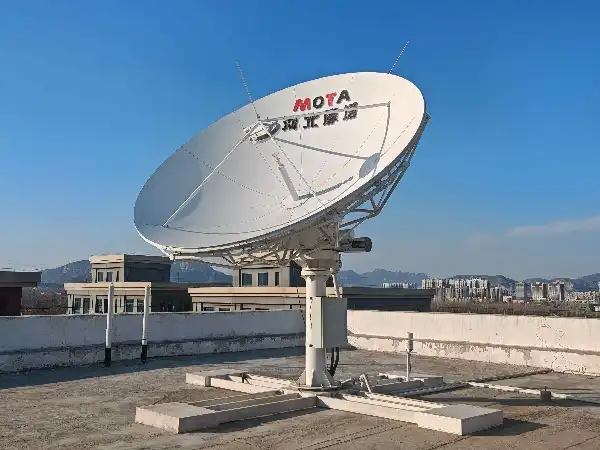
A multi-band fixed satellite antenna is a sophisticated ground station terminal engineered to operate across multiple frequency spectrums simultaneously—including C, X, Ku, Ka, S, and QV bands—from a single, stationary installation. Unlike traditional single-band systems requiring multiple hardware units, these antennas utilize precision-engineered multi-feed assemblies and wideband reflectors to facilitate concurrent or switchable communication with diverse satellite constellations. This technology addresses critical operational challenges such as spectrum congestion, equipment redundancy costs, and the downtime associated with manual hardware swaps while providing future-proof infrastructure adaptable to evolving orbital requirements and high-throughput satellite services.
Understanding Multi-Band Fixed Satellite Antennas
Core Architecture and Design Principles
The fundamental architecture of these communication devices relies on advanced materials and signal filtering technologies that enable simultaneous multi-band operation without cross-interference. Modern fixed satellite terminals maintain steady alignment with orbital assets, ensuring consistent signal quality essential for industrial and commercial applications. The design integrates high-strength carbon fiber or aerospace-grade aluminum construction, providing thermal stability and resistance to environmental stressors while maintaining surface accuracy typically at an RMS less than 0.3 mm for optimal Ka-band efficiency.
Frequency Spectrum Utilization
These systems operate across multiple frequency ranges, each serving distinct communication purposes. C-band frequencies penetrate atmospheric conditions effectively, making them reliable for maritime and remote operations. Ku-band offers higher bandwidth suitable for video transmission and data backhaul, while Ka-band provides exceptional throughput for high-definition content delivery. The ability to switch between Ku/Ka/S/X/C/Qv bands manually allows operators to adapt to varying satellite link requirements without replacing equipment, significantly improving ground station flexibility across multiple communication scenarios.
Fixed vs. Mobile Antenna Configurations
The stationary nature of fixed installations provides distinct advantages over mobile counterparts. Fixed units deliver superior pointing accuracy and structural stability, critical for maintaining link budget consistency under maximum wind loads. This stability translates to higher gain-over-noise temperature ratios and better sidelobe performance compliant with ITU-R S.580 standards. The reduced mechanical complexity compared to motorized tracking systems results in lower maintenance requirements and extended operational lifespans, making them preferable for long-term remote deployments where reliability supersedes mobility.
Benefits and Performance Comparison of Multi-Band vs Single-Band Fixed Satellite Antennas
Operational Versatility and Cost Efficiency
Choosing multi-band fixed satellite antennas over single-band counterparts delivers strategic advantages in multi-service environments. Organizations requiring access to various satellite constellations traditionally faced substantial capital expenditure installing separate antenna systems for each frequency band. Multi-band fixed satellite antenna solutions consolidate this infrastructure into a unified platform, reducing installation complexity and ongoing maintenance cycles. The operational flexibility to switch between frequency bands according to mission requirements optimizes spectrum utilization while minimizing hardware footprint at ground stations.
Beyond initial capital savings, operational cost reductions become apparent through simplified logistics and maintenance protocols. A single integrated system requires fewer technician visits, reduced spare parts inventory, and streamlined training programs for operational staff. The energy efficiency gains from operating one antenna instead of multiple units contribute to lower operational expenses over the equipment lifecycle, particularly valuable for organizations managing extensive ground station networks across multiple geographic locations.
Durability and Environmental Resilience
Industrial deployments demand robust equipment capable of withstanding harsh environmental conditions without performance degradation. Multi-band fixed satellite antennas designed to military-grade specifications exhibit superior durability compared to consumer-grade alternatives. Advanced environmental stress screening processes, including salt spray testing per ASTM B117 standards and UV exposure validation, guarantee finish durability in coastal regions and extreme climates. Operating temperature ranges from -25℃ to +55℃ ensure stable performance across diverse deployment scenarios without requiring additional environmental conditioning equipment.
Field feedback from aerospace contractors and defense applications confirms that well-engineered multi-band fixed satellite antennas maintain stable 1080p video transmission even under 7-level wind conditions. This resilience stems from precision-balanced two-axis stabilization platforms and proprietary satellite pointing algorithms that automatically compensate for environmental disturbances. The structural integrity provided by reinforced mounting systems and weather-resistant radomes protects sensitive feed assemblies and electronic components, ensuring uninterrupted communication links during critical operations.
Performance Metrics and Technical Specifications
When evaluating antenna performance, procurement professionals must consider several key parameters. Gain performance directly impacts link budget calculations, with higher gain antennas requiring smaller reflector surfaces or delivering superior signal quality at equivalent sizes. Beamwidth characteristics determine pointing accuracy requirements and adjacent satellite interference potential. Cross-polarization isolation exceeding 30 dB ensures minimal signal leakage between orthogonal polarizations, maximizing spectrum efficiency.
Voltage standing wave ratio measurements across all operating bands indicate feed system efficiency, with lower VSWR values translating to reduced signal reflection and improved power transfer. Transceiver isolation specifications of ≥85dB prevent transmitted signals from interfering with receive paths, critical for full-duplex operations. Sidelobe performance metrics, particularly first sidelobe levels ≤ -14 dB, minimize interference with adjacent satellites and terrestrial systems, ensuring regulatory compliance and good neighbor spectrum practices.
How Multi-Band Fixed Satellite Antennas Work – Technical Insights
Signal Reception and Transmission Mechanisms
The multi-band fixed satellite antennas' operational principle centers on specialized feed assemblies positioned at the focal point of parabolic reflectors. These feeds capture electromagnetic waves reflected from the dish surface, concentrating signal energy onto low-noise block downconverters. Multi-band capability derives from carefully designed feed horn geometries that maintain optimal illumination patterns across wide frequency ranges. Block upconverters integrated into the system handle transmission functions, amplifying outgoing signals to power levels suitable for satellite uplink requirements.
Modern implementations incorporate precision-aligned multi-feed configurations that minimize insertion loss to less than 0.2 dB during band transitions. This efficiency preservation maintains link budget integrity when switching between operational frequencies. Waveguide components route signals between feeds and RF electronics with minimal loss, while high-rejection filters suppress unwanted frequencies and terrestrial interference. The complete RF chain, including integrated BUC/LNB modules, modem components, and intelligent power management systems, provides plug-and-play functionality that simplifies deployment complexity.
Installation Procedures and Best Practices
Professional installation begins with thorough site surveys assessing clear line-of-sight to target satellite positions, structural mounting integrity, and RF interference sources. Foundation preparation must account for wind loading calculations, ensuring anchoring systems meet manufacturer specifications for local environmental conditions. Antenna assembly follows documented procedures, with particular attention to reflector surface alignment and feed positioning accuracy. Laser tracker verification confirms parabolic curvature precision, directly impacting Ka-band gain performance.
Alignment procedures have evolved significantly with technological advances. Contemporary systems complete satellite acquisition and link establishment within 3 minutes, eliminating complex manual debugging processes. Self-developed pointing algorithms automatically calculate azimuth and elevation coordinates from GPS positioning data and satellite ephemeris information. The two-axis stabilization platform executes rapid alignment sequences, while integrated spectrum analyzers confirm signal detection and optimize receive parameters. This streamlined approach reduces deployment time costs and operational complexity, enabling single-person installation scenarios for appropriately trained personnel.
Maintenance Requirements and Troubleshooting
Ongoing reliability depends on scheduled maintenance protocols addressing potential degradation mechanisms. Annual inspections should verify feed horn window integrity, moisture seal conditions, and structural bolt torque specifications. Reflector surface cleaning removes accumulated debris that causes signal attenuation, particularly important in dusty or coastal environments. Thermal cycling effects on mounting hardware require periodic review, as expansion differentials can gradually alter pointing accuracy over extended operational periods.
Common troubleshooting scenarios involve signal quality degradation, which may stem from feed misalignment, connector corrosion, or LNB component aging. Systematic diagnosis begins with spectrum analysis confirming satellite signal presence, followed by antenna pattern measurements validating pointing accuracy. Transceiver isolation testing identifies potential cross-coupling issues between transmit and receive paths. Advanced systems incorporate built-in test equipment that facilitates remote diagnostics, reducing mean time to repair through rapid fault isolation and minimizing on-site service requirements.
Selecting the Right Multi-Band Fixed Satellite Antenna for Your Business Needs
Performance Specifications and Compliance Standards
Procurement decisions must balance technical requirements against budget constraints and operational timelines. Gain specifications determine minimum antenna diameter for required link margins, with higher frequencies demanding larger apertures to achieve equivalent performance. Beamwidth calculations influence pointing accuracy tolerances and tracking system sophistication. Frequency coverage must encompass all operational bands with margin for regulatory guard bands and potential future spectrum allocations.
Compliance certifications validate product quality and manufacturing consistency. ISO9001 certification confirms quality management system rigor, while ISO14001 and ISO45001 demonstrate environmental and occupational health commitments. Products meeting MIL-STD-810G environmental standards prove suitability for harsh deployment scenarios. Regulatory approvals, including FCC type acceptance for U.S. markets and equivalent international certifications, ensure legal operation within target jurisdictions. Organizations with strict compliance requirements should verify supplier documentation completeness before finalizing procurement contracts.
Supplier Evaluation and Partnership Development
Vendor credibility extends beyond product specifications to encompass manufacturing capacity, technical support infrastructure, and long-term business stability. Suppliers with proven production experience and technological expertise demonstrate capability through reference installations, case studies, and performance data from comparable applications. Manufacturing facilities holding relevant quality certifications and utilizing advanced production equipment indicate process maturity and consistent output quality.
After-sales support structures significantly impact the total cost of ownership. Suppliers offering 7×24 technical response capabilities provide rapid assistance during critical operational periods. Warranty terms should clearly define coverage scope, duration, and claim procedures, with flexible options accommodating specific operational profiles. Localized service networks delivering on-site technical support and rapid spare parts availability reduce downtime risks, particularly valuable for time-sensitive applications. Building strategic supplier relationships that emphasize long-term partnership over transactional purchasing creates mutual value through collaborative problem-solving and continuous improvement initiatives.
Customization Capabilities and Lead Times
Organizations requiring tailored solutions benefit from suppliers offering comprehensive ODM/OEM customization services. Hardware design modifications accommodate unique mounting requirements, environmental specifications, or interface protocols. Functional module adaptations enable integration with existing ground infrastructure and network management systems. Software interfaces can be customized to match operational preferences and automation requirements, while certification modifications address country-specific regulatory requirements.
Production planning must account for delivery timelines matching project schedules. Suppliers maintaining sufficient inventory of standard configurations fulfill regular orders promptly, while customized and large-scale systems typically require 45 to 90 days from order confirmation to delivery. Manufacturers demonstrating stable mass production capacity through documented delivery performance provide confidence in meeting ambitious deployment timelines. Logistics capabilities, including cross-border shipping expertise, professional packaging standards, and comprehensive tracking systems, ensure equipment arrives in operational condition despite intercontinental transit challenges.
Future Trends and Innovations in Multi-Band Fixed Satellite Antenna Technology
Integration with Emerging Communication Standards
The satellite communication landscape continues evolving as terrestrial and space-based networks converge. Integration between multi-band fixed satellite antennas and 5G infrastructure creates hybrid connectivity solutions combining satellite resilience with terrestrial bandwidth. This convergence addresses connectivity gaps in remote regions while providing redundancy for critical communication links. Antenna designs incorporating specialized filtering technology suppress terrestrial 5G signals in C-band frequencies, preventing interference while maintaining satellite communication performance.
Non-geostationary satellite constellations operating in low and medium Earth orbits introduce new technical requirements. While traditional fixed antennas maintain alignment with single geostationary satellites, emerging applications demand compatibility with multiple orbital planes. Wideband optical designs enable operation across LEO/MEO frequency ranges, though tracking requirements differ from traditional fixed installations. This technological evolution positions multi-band fixed satellite antennas as versatile platforms adaptable to changing satellite architectures without complete infrastructure replacement.
Sustainability and Energy Efficiency Initiatives
Environmental consciousness increasingly influences procurement decisions as organizations pursue sustainability objectives. Antenna manufacturers respond by optimizing power consumption through efficient amplifier designs and intelligent power management systems that reduce energy use during idle periods. Materials selection emphasizes recyclability and reduced environmental impact throughout product lifecycles, from manufacturing through eventual decommissioning.
Energy-efficient designs particularly benefit remote installations relying on solar power or limited generator capacity. Reduced power requirements enable smaller power systems, lowering overall installation costs and environmental footprints. These considerations align with broader industry priorities around carbon reduction and sustainable infrastructure development, creating competitive advantages for suppliers demonstrating environmental leadership alongside technical excellence.
Strategic Procurement Considerations
Organizations planning communication infrastructure investments must anticipate technological trajectories to avoid premature obsolescence. Engaging suppliers committed to continuous innovation and product evolution protects capital investments against rapid market changes. Modular antenna architectures allowing component upgrades—such as new feed configurations for emerging frequency bands—extend system lifespans without complete replacement.
Procurement professionals should evaluate supplier roadmaps, research and development investments, and intellectual property portfolios indicating ongoing innovation capacity. Partnerships with manufacturers maintaining technological leadership through proprietary algorithms, advanced materials research, and systems integration expertise provide confidence in long-term viability. This strategic approach transforms vendor relationships from commodity purchasing to collaborative partnerships supporting competitive advantages in rapidly evolving markets.
Conclusion
Multi-band fixed satellite antennas represent a critical infrastructure component for organizations requiring reliable, high-performance satellite communications across diverse frequency bands. Their ability to consolidate multiple communication capabilities into unified platforms delivers operational flexibility and cost efficiency unattainable with legacy single-band systems. Technical sophistication enabling rapid deployment, environmental resilience, and superior signal quality positions these systems as preferred solutions for aerospace contractors, defense applications, and industrial automation scenarios. Successful procurement requires careful evaluation of performance specifications, supplier capabilities, and long-term support infrastructure. As satellite communication technology continues advancing, strategic partnerships with manufacturers demonstrating innovation leadership and customer-centric support models will prove essential for maintaining competitive communication infrastructure.
FAQ
Can multi-band antennas operate with both GEO and non-GEO satellite constellations?
While designed primarily for geostationary satellite alignment, multi-band fixed satellite antennas feature wideband optics compatible with LEO and MEO frequency ranges. The fixed mounting configuration optimizes performance for single orbital positions, though frequency compatibility extends operational flexibility. Organizations requiring routine LEO constellation access may need supplementary tracking capabilities beyond traditional fixed installations.
How do these systems handle atmospheric signal degradation during severe weather?
Rain fade particularly affects Ka-band transmissions during heavy precipitation. Advanced installations integrate uplink power control systems that automatically increase transmit power, compensating for atmospheric losses. Some configurations include automatic failover capabilities, switching to more resilient C-band frequencies during extreme weather and maintaining connectivity heartbeat even when high-bandwidth links experience degradation.
What differentiates military-grade antennas from commercial specifications?
Military-grade systems undergo more rigorous component selection and environmental qualification testing. Core components meet high-reliability standards, ensuring fault-free operation under harsh conditions. Enhanced structural designs withstand extreme shock and vibration specifications, while security features protect against signal interception and jamming attempts. These enhancements command premium pricing but deliver superior longevity and operational assurance for critical applications.
Partner with MOTA: Your Trusted Multi-Band Fixed Satellite Antenna Manufacturer
MOTA brings nine years of specialized manufacturing experience, delivering high-performance satellite communication solutions to global enterprises. Our multi-band fixed satellite antenna systems combine rapid 3-minute deployment capabilities with military-grade reliability, supporting Ku/Ka/S/X/C/Qv frequency bands through a single integrated platform. ISO9001, ISO14001, and ISO45001 certifications validate our quality management rigor, while proprietary tracking algorithms and satellite-terrestrial integration technologies provide competitive differentiation. We maintain ready inventory for standard configurations and execute custom projects within 45-90 day production cycles. Our 7×24 customer support team delivers comprehensive technical assistance from initial consultation through long-term operational support. Cross-border logistics expertise ensures secure delivery with professional packaging and end-to-end tracking. Contact our team at hebei_mota@163.com to discuss your satellite communication requirements and discover how our ODM/OEM customization capabilities can optimize your ground station infrastructure.

References
1. International Telecommunication Union. "ITU-R Recommendation S.580: Radiation Diagrams for Use as Design Objectives for Antennas of Earth Stations Operating with Geostationary Satellites. "ITU Radiocommunication Sector, 2019.
2. Maral, Gerard, and Bousquet, Michel. "Satellite Communications Systems: Systems, Techniques, and Technology." John Wiley & Sons, 6th Edition, 2020.
3. American Society for Testing and Materials. "ASTM B117-19: Standard Practice for Operating Salt Spray (Fog) Apparatus." ASTM International, 2019.
4. U.S. Department of Defense. "MIL-STD-810G: Environmental Engineering Considerations and Laboratory Tests." Department of Defense Test Method Standard, 2008.
5. Elbert, Bruce R. "The Satellite Communication Ground Segment and Earth Station Handbook." Artech House Publishers, 2nd Edition, 2014.
6. International Organization for Standardization. "ISO 9001:2015 Quality Management Systems—Requirements." ISO Standards Catalogue, 2015.
Tell us your requirements – get a tailored quote and technical support within 24 hours.