- English
- French
- German
- Portuguese
- Spanish
- Russian
- Japanese
- Korean
- Arabic
- Greek
- German
- Turkish
- Italian
- Danish
- Romanian
- Indonesian
- Czech
- Afrikaans
- Swedish
- Polish
- Basque
- Catalan
- Esperanto
- Hindi
- Lao
- Albanian
- Amharic
- Armenian
- Azerbaijani
- Belarusian
- Bengali
- Bosnian
- Bulgarian
- Cebuano
- Chichewa
- Corsican
- Croatian
- Dutch
- Estonian
- Filipino
- Finnish
- Frisian
- Galician
- Georgian
- Gujarati
- Haitian
- Hausa
- Hawaiian
- Hebrew
- Hmong
- Hungarian
- Icelandic
- Igbo
- Javanese
- Kannada
- Kazakh
- Khmer
- Kurdish
- Kyrgyz
- Latin
- Latvian
- Lithuanian
- Luxembou..
- Macedonian
- Malagasy
- Malay
- Malayalam
- Maltese
- Maori
- Marathi
- Mongolian
- Burmese
- Nepali
- Norwegian
- Pashto
- Persian
- Punjabi
- Serbian
- Sesotho
- Sinhala
- Slovak
- Slovenian
- Somali
- Samoan
- Scots Gaelic
- Shona
- Sindhi
- Sundanese
- Swahili
- Tajik
- Tamil
- Telugu
- Thai
- Ukrainian
- Urdu
- Uzbek
- Vietnamese
- Welsh
- Xhosa
- Yiddish
- Yoruba
- Zulu
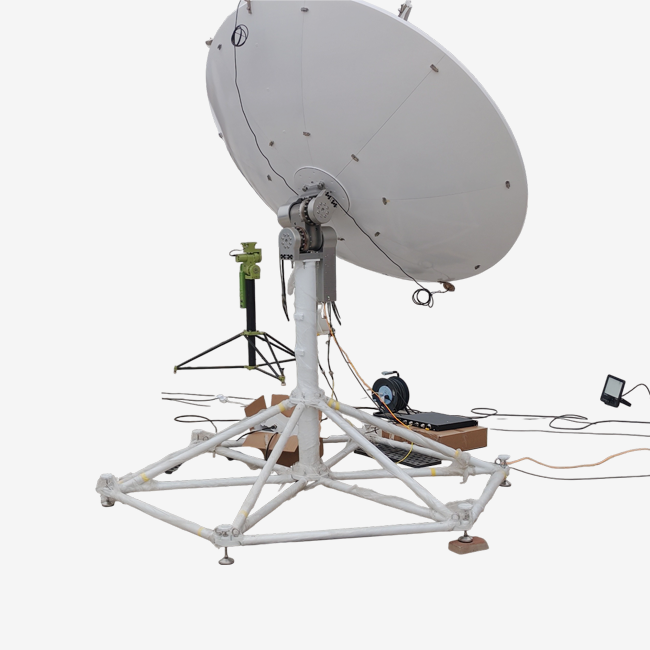
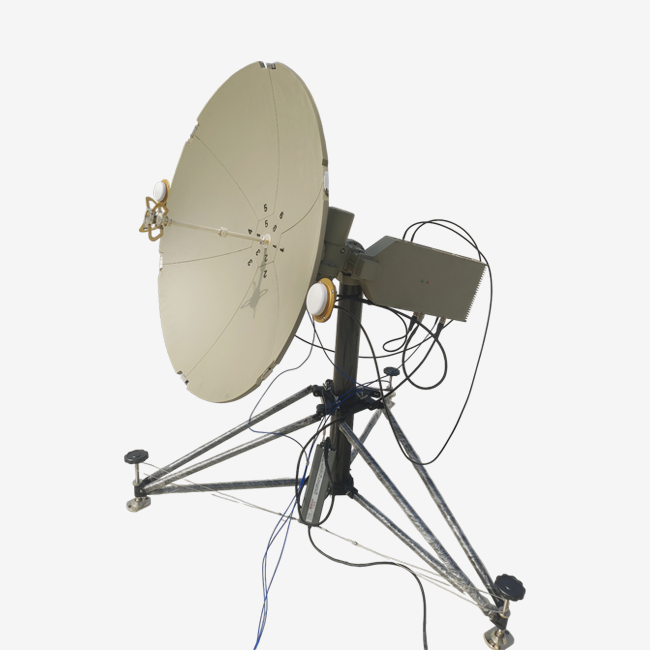
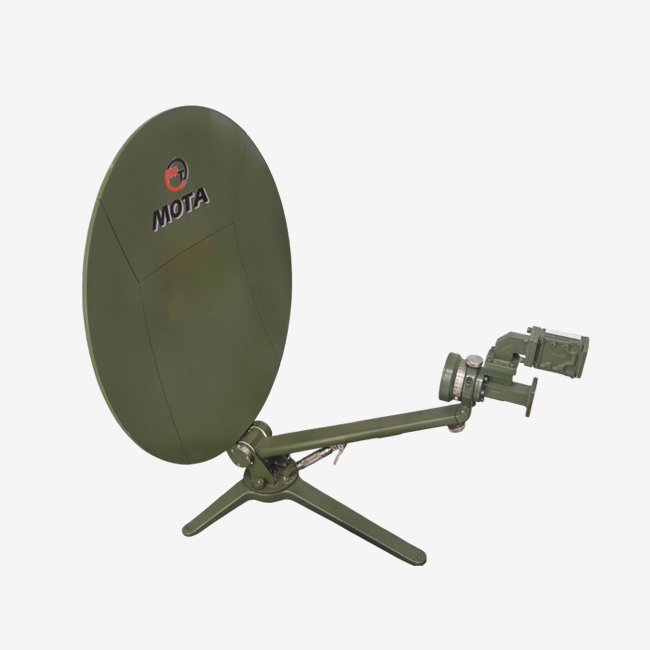
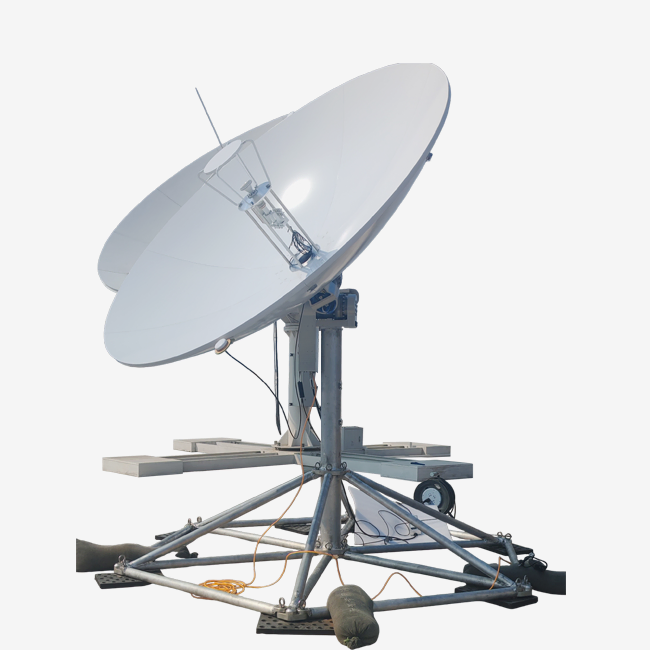
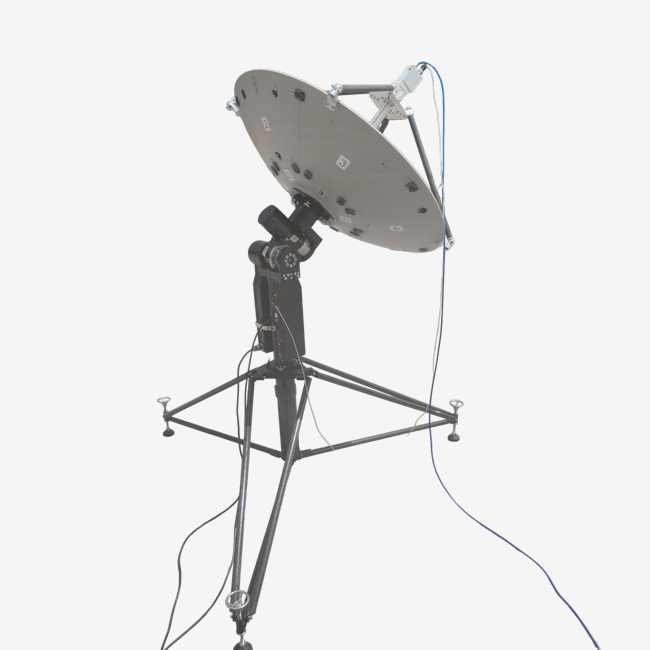
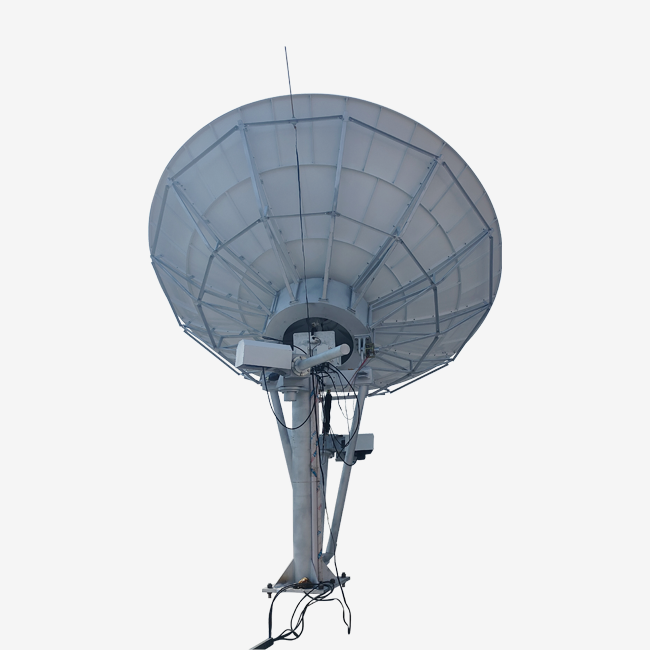
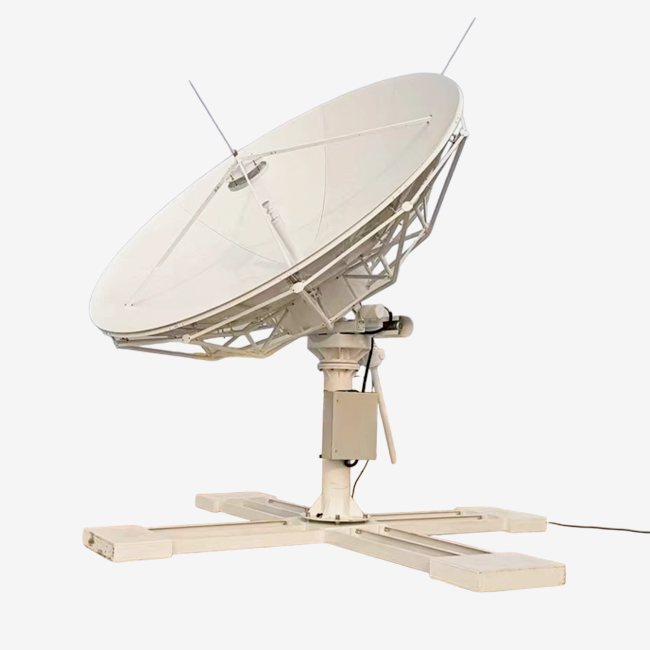
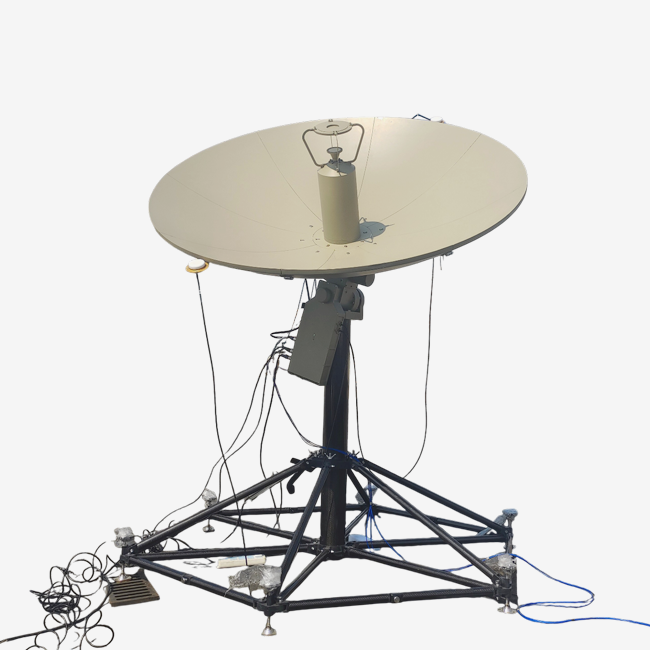
Mini TT&C Antenna
Aperture size of antenna: 1.0m, 0.9m, 0.8m
With fixed manual pointing and IP64 dust and splash resistance, it fits labs and indoor scenarios. Low power consumption supports USB and low-voltage DC power for field mobile use. Easy to operate and cost-effective, it features standard interfaces compatible with mainstream baseband devices for quick plug-and-play deployment, ideal for university and research institute microsatellite experiments.
Mini TT&C Antenna – Compact S-Band Solution for CubeSat & Nano-Satellite Missions
Hebei Mota Electronics Technology Co., Ltd. presents our enterprise-grade Mini TT&C Antenna, a specialized S-band telemetry, tracking, and command solution engineered for CubeSat and nano-satellite applications. This ultra-compact antenna system weighs under 2 kg and occupies minimal footprint, enabling desktop or wall-mounted deployment without requiring dedicated ground station facilities.
Operating across S-band frequencies, our product delivers IP64 dust and splash resistance for laboratory and indoor research environments. The system features manual fixed pointing for simplified operation, eliminating complex servo requirements. With USB and low-voltage DC power options consuming less than 15W, you can deploy field-portable measurement and control stations powered by standard battery packs. Standard interface compatibility ensures plug-and-play integration with mainstream micro-satellite TT&C basebands, making it the ideal cost-effective solution for university microsatellite experiments and research institute ground station setups.
Key Technical Specifications
| Parameter | Specification |
|---|---|
| Frequency Band | S-band (2.0–2.4 GHz) |
| Antenna Type | Fixed Manual Pointing |
| Aperture | 1.0m, 0.9m, 0.8m |
| Size & Weight | Ultra-compact, Lightweight (Desktop/Wall-Mountable) |
| Power Supply | USB / Low-Voltage DC (<15W) |
| Environmental Protection | IP64 (Dust & Splash Resistant) |
| Interface | Standard 50Ω SMA, Compatible with Mainstream Basebands |
| Deployment | Desktop or Wall-Mounted |
| Operating Environment | Indoor, Laboratory, Field Mobile Use |
| Target Application | CubeSats, Nano-Satellites, Microsatellite Experiments |
Why Choose Our Mini TT&C Antenna?
Ultra-Compact Design for Space-Constrained Environments
Traditional ground stations demand large installation sites and heavy infrastructure. Our antenna breaks that limitation. You can place it on your lab bench or mount it on your wall, freeing you from costly real estate requirements.
The lightweight construction means you can carry it to remote test sites. Whether you're conducting field trials or building a portable ground station, this antenna adapts to your workflow instead of forcing you to adapt to it.
Low-Power Flexibility for Portable Operations
Power consumption often limits field deployment. We've addressed this challenge head-on. The Mini TT&C Antenna operates on USB or low-voltage DC power, drawing minimal current from standard portable power banks.
You can set up temporary measurement and control stations in remote locations without grid access. This flexibility is invaluable for emergency response scenarios, outdoor experiments, or rapid-deployment testing campaigns.
Simplified Operation Without Complex Servo Systems
Many tracking antennas require sophisticated servo mechanisms and trained operators. We've eliminated that complexity. Our fixed manual pointing design allows students and researchers to start satellite experiments immediately.
You simply aim the antenna manually and lock it in position. No programming, no calibration curves, no servo tuning. This simplicity accelerates your project timelines and reduces training overhead.
Cost-Effective Solution for Research Budgets
Scholastic and inquire about educate confront consistent budget weights. Building conventional ground stations can expend critical parcels of venture financing. This recieving wire conveys proficient TT&C capabilities at a division of conventional costs.
By centering on the fundamental highlights required for microsatellite tests, we've made a arrangement that brings down the boundary to passage for logical toady ventures. Your group can apportion spared assets to payload advancement, mission operations, or extra experiments.
Plug-and-Play Compatibility
Integration challenges can delay ventures for months. Our standardized interface plan guarantees compatibility with standard micro-satellite TT&C basebands right out of the box.
You interface the recieving wire, design your baseband parameters, and start operations. This plug-and-play approach implies you spend less time investigating RF associations and more time collecting profitable adj. telemetry information.
Primary Application Scenarios
University Microsatellite Programs
Educational satellite programs need accessible ground equipment. This antenna serves as the perfect first ground station for university teams. Students gain hands-on experience with real satellite communication links without the complexity of professional tracking systems.
Your lab can support multiple concurrent missions. The quick setup time means different student teams can schedule antenna access throughout the day.
Research Institute CubeSat Experiments
Research institutions developing CubeSat payloads require reliable ground truth data. Our antenna provides consistent S-band connectivity for payload testing, firmware updates, and mission rehearsals before launch.
The IP64 protection ensures reliable operation in typical laboratory environments. You don't need climate-controlled antenna vaults or weatherproof radomes.
Portable Field Testing Stations
Pre-launch testing often happens at integration facilities or launch sites far from your home institution. The portable design transforms into a mobile ground station that accompanies your satellite through its journey.
Battery-powered operation means you can conduct final communication checks even in temporary facilities without established infrastructure.
Emergency Communication Backup
When essential ground stations encounter blackouts, this compact recieving wire serves as an quick reinforcement. You can set up a auxiliary command interface inside minutes, guaranteeing mission-critical telemetry proceeds flowing.
The moo control necessity implies you can work it from crisis generators or vehicle control frameworks amid emergency situations.

FAQ
Q: What is the normal communication extend for CubeSat missions?
A: For moo Soil circle CubeSats at 400-600 km elevation, you can anticipate dependable communication amid overhead passes. The real interface edge depends on your satellite's transmit control and collector affectability. Most college CubeSats accomplish strong joins with this ground station configuration.
Q: Do I require uncommon grants to work this antenna?
A: You'll require fitting radio recurrence licenses for your purview, fair as with any ground station hardware. The recieving wire itself is equipment – your institution's recurrence facilitator ought to secure the essential range allotments for your fawning project.
Q: How does manual indicating work for moving satellites?
A: For settled indicating, you pre-calculate the ideal see point for your satellite's pass and physically point the radio wire. The wide beamwidth gives a few minutes of communication opportunity amid each overhead pass. This approach works well for CubeSats with unsurprising orbits.
Q: Can I overhaul to robotized following later?
A: The recieving wire centers on effortlessness for cost-effective operations. If your mission develops to require ceaseless following, we suggest transitioning to our servo-equipped following radio wire frameworks outlined for that purpose.
Q: What baseband gear do you recommend?
A: We keep up compatibility with prevalent software-defined radio stages and commercial TT&C modems. Contact our specialized group at hebei_mota@163.com for particular suggestions based on your satellite's communication protocol.
Q: How do I keep up the antenna?
A: Upkeep is negligible. Intermittently review cable associations, clean gathered tidy with compressed discuss, and confirm the mounting remains secure. The IP64 rating secures inner components from commonplace natural presentation.

About Hebei Mota Electronics Technology Co., Ltd.
Since 2017, we've specialized in satellite communications and measurement control technologies. Our team includes overseas-returned PhDs and senior engineers from state-level research institutes, bringing military-grade quality standards to commercial and research applications.
We hold certifications including National High-Tech Enterprise status and GJB 9001C Military Product Quality Management System certification. Our extensive intellectual property portfolio reflects continuous innovation in antenna systems and tracking solutions.
From aerospace platforms to emergency communications, we deliver reliable solutions for demanding environments. Your success drives our mission to provide high-performance, high-reliability equipment that exceeds expectations.
Ready to Build Your Ground Station?
Contact us today at hebei_mota@163.com to discuss your specific Mini TT&C Antenna requirements and receive detailed technical documentation for your project planning.
Tell us your requirements – get a tailored quote and technical support within 24 hours.