- English
- French
- German
- Portuguese
- Spanish
- Russian
- Japanese
- Korean
- Arabic
- Greek
- German
- Turkish
- Italian
- Danish
- Romanian
- Indonesian
- Czech
- Afrikaans
- Swedish
- Polish
- Basque
- Catalan
- Esperanto
- Hindi
- Lao
- Albanian
- Amharic
- Armenian
- Azerbaijani
- Belarusian
- Bengali
- Bosnian
- Bulgarian
- Cebuano
- Chichewa
- Corsican
- Croatian
- Dutch
- Estonian
- Filipino
- Finnish
- Frisian
- Galician
- Georgian
- Gujarati
- Haitian
- Hausa
- Hawaiian
- Hebrew
- Hmong
- Hungarian
- Icelandic
- Igbo
- Javanese
- Kannada
- Kazakh
- Khmer
- Kurdish
- Kyrgyz
- Latin
- Latvian
- Lithuanian
- Luxembou..
- Macedonian
- Malagasy
- Malay
- Malayalam
- Maltese
- Maori
- Marathi
- Mongolian
- Burmese
- Nepali
- Norwegian
- Pashto
- Persian
- Punjabi
- Serbian
- Sesotho
- Sinhala
- Slovak
- Slovenian
- Somali
- Samoan
- Scots Gaelic
- Shona
- Sindhi
- Sundanese
- Swahili
- Tajik
- Tamil
- Telugu
- Thai
- Ukrainian
- Urdu
- Uzbek
- Vietnamese
- Welsh
- Xhosa
- Yiddish
- Yoruba
- Zulu
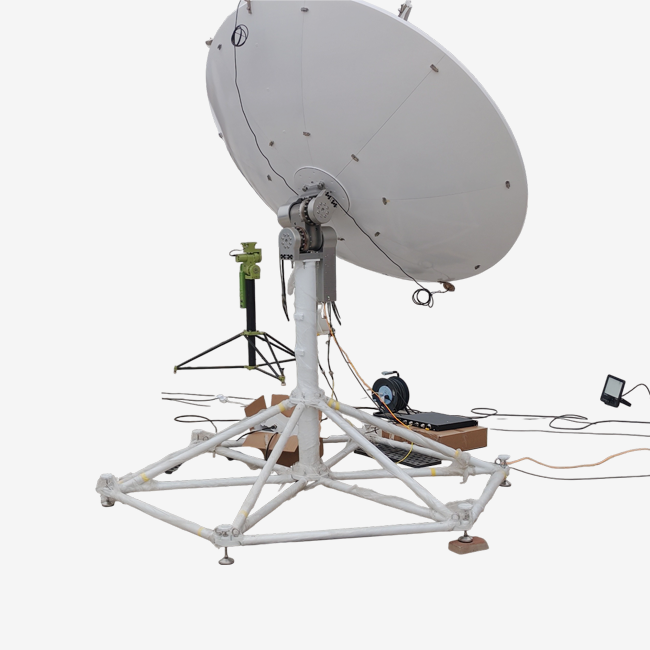
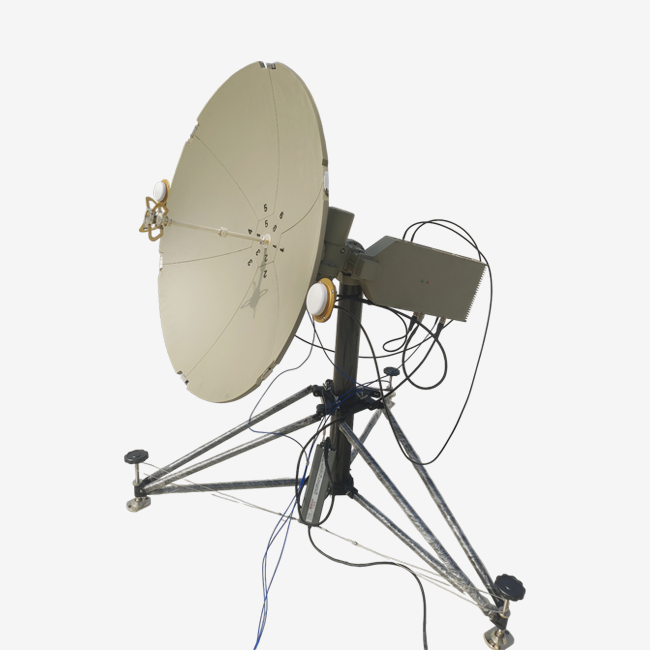
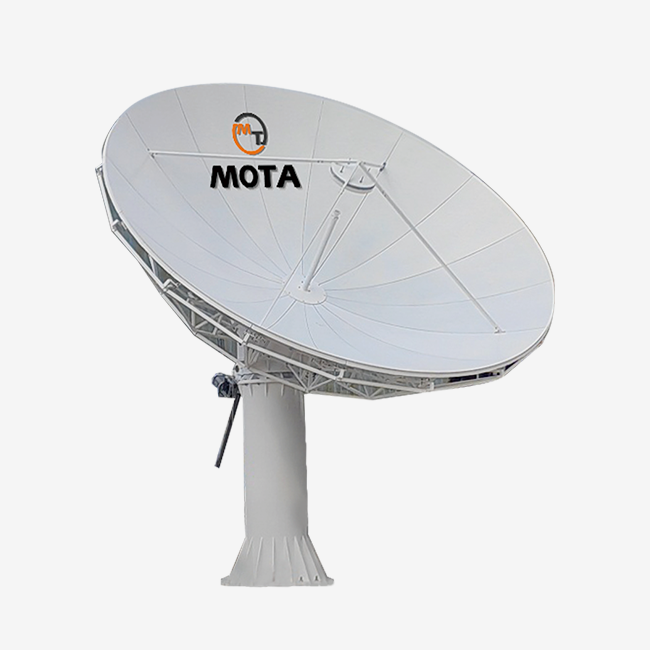
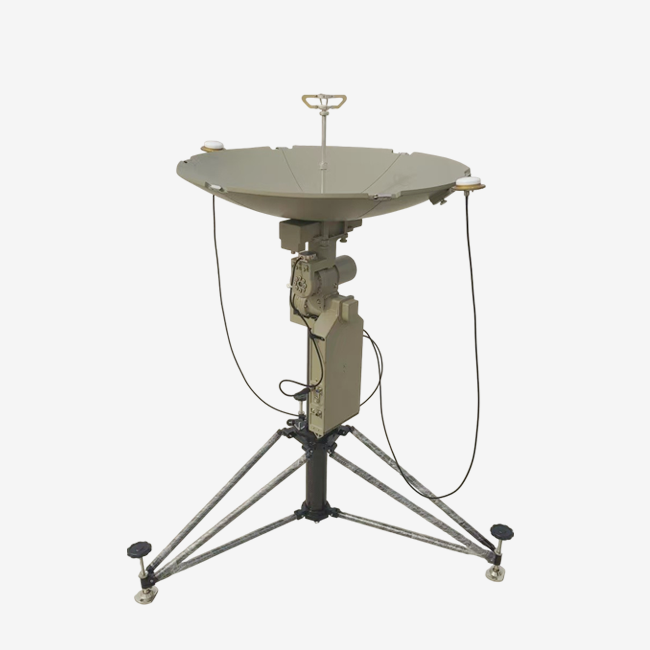
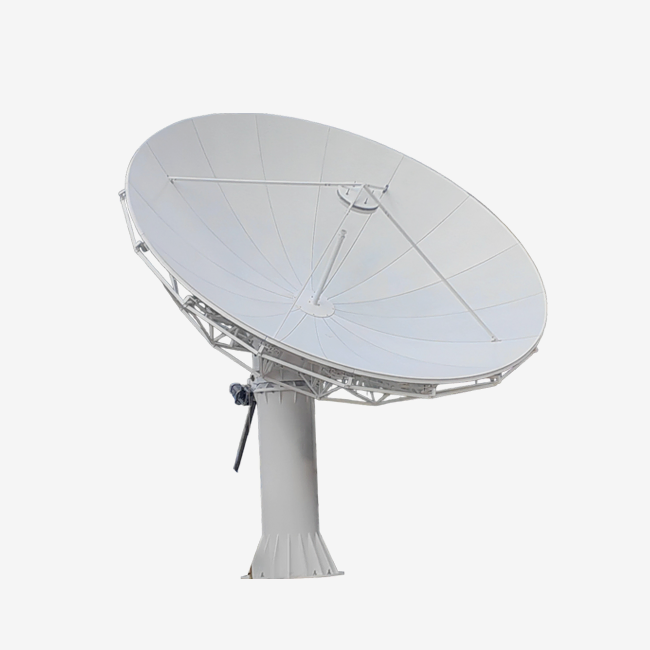
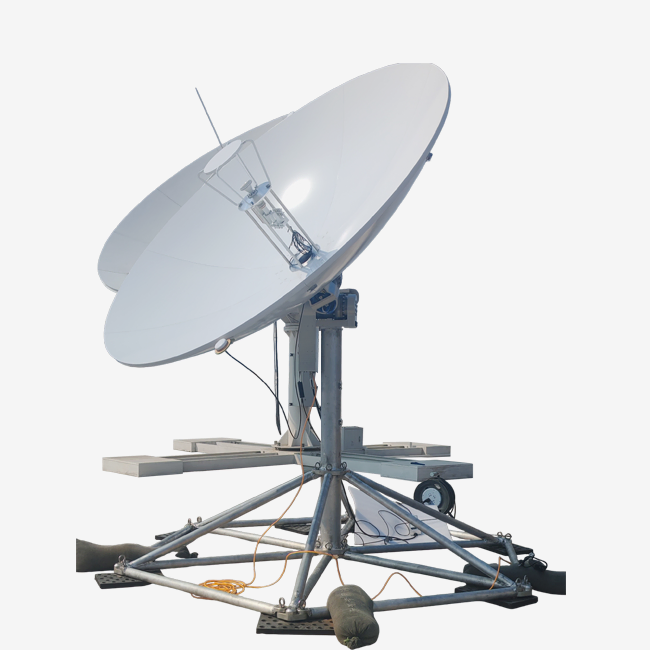
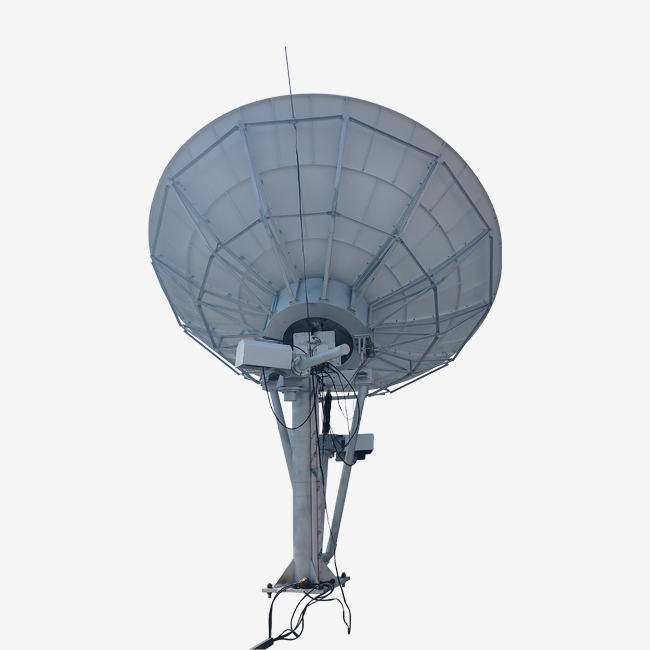
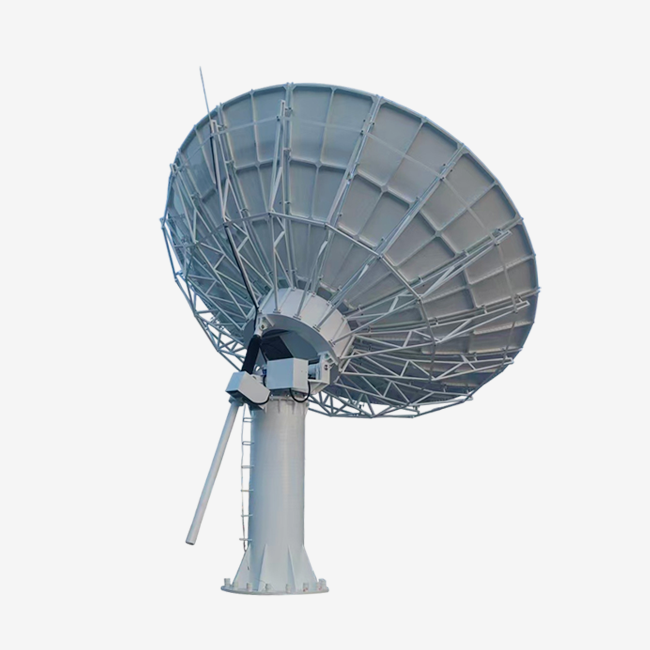
Ship-borne Multi-Band TT&C Antenna
Aperture size of antenna: 1.2m, 1.0m, 0.9m, 0.8m
Equipped with a six-axis attitude sensor, it compensates vessel sway up to 40° for steady tracking. Made of 316L stainless steel with IP68 sealing, it offers superior corrosion resistance for long-term marine service. Supporting 24VDC/220VAC dual power supply, it integrates conventional TT&C and high-speed data transmission, and is resistant to wave impact for deck installation.
Ship-borne Multi-Band TT&C Antenna | Professional Maritime Satellite Communications
When your mission demands reliable satellite communication in the harshest maritime environments, Hebei Mota's Ship-borne Multi-Band TT&C Antenna delivers enterprise-grade performance you can trust. Our S/X dual-band integrated system is specifically engineered for ocean-going measurement vessels, combining advanced six-axis attitude compensation technology with military-grade construction.
This product compensates for vessel sway up to 40° to maintain steady satellite tracking even under rough sea conditions. Built with 316L stainless steel and featuring IP68 sealing, your system is protected for over 15 years of continuous marine service. The dual power supply configuration (24VDC/220VAC) ensures uninterrupted operation throughout your navigation missions, while the deck-mounted design withstands direct wave impact.
Whether you're supporting rocket launch tracking, deep space missions, or remote sensing operations, our integrated solution simultaneously receives remote control commands and high-speed payload data—doubling your measurement and control capability at sea.
Technical Specifications
| Parameter | Specification |
|---|---|
| Frequency Bands | S/X dual-band integrated |
| Aperture | 1.2m, 1.0m, 0.9m, 0.8m |
| Attitude Compensation | Six-axis sensor, up to 40° sway |
| Construction Material | 316L stainless steel |
| Sealing Grade | IP68 |
| Corrosion Resistance | Heavy anti-corrosion coating |
| Service Life | Over 15 years (marine environment) |
| Power Supply | Dual 24VDC/220VAC redundant system |
| Installation Type | Deck-mounted integrated structure |
| Wave Resistance | Impact-resistant design |
| Application | Ocean-going TT&C vessels |
| Functional Capability | Simultaneous command reception & high-speed data transmission |
| Compatibility | Core shipborne TT&C systems |
Why Choose Our Ship-borne Multi-Band TT&C Antenna?
Dual-Band Simultaneous Operation
Your operations require maximum efficiency. Our integrated S/X dual-band architecture enables you to receive remote control commands while simultaneously capturing high-speed payload data. This eliminates the need for multiple antenna systems, reducing deck space requirements and doubling your measurement and control capability during critical mission phases.
Superior Attitude Compensation Technology
Maritime conditions don't wait for calm seas. The six-axis attitude sensor in our system continuously monitors and compensates for pitch, roll, yaw, and heave movements. You maintain stable satellite tracking throughout 40° wind-wave sway, ensuring reliable data links under severe ocean-going sea conditions that would compromise conventional systems.
Unmatched Marine Durability
We understand that replacement is costly and downtime is unacceptable. That's why every antenna component uses 316L stainless steel construction paired with heavy anti-corrosion coating. This combination delivers top-level marine corrosion resistance, adapting your system for over 15 years of continuous ocean-going service without structural degradation.
Guaranteed Power Continuity
Power interruptions can mean mission failure. Your antenna features dual-power redundancy that's natively adapted to ship power supply systems. The seamless switchover between 24VDC and 220VAC sources ensures stable and uninterrupted power supply during navigation, even when primary systems experience fluctuations.
Ready for Immediate Deployment
Time-to-operation matters in maritime missions. Our integrated deck installation design is wave-impact resistant and directly compatible with core measurement and control systems of aerospace tracking ships. You can deploy the system quickly without extensive modifications to your vessel's existing infrastructure.
Key Applications of Ship-borne Multi-Band TT&C Antenna
Maritime Rocket Launch Support
When launch vehicles pass over oceanic regions beyond land station coverage, you need Ship-borne Multi-Band TT&C Antenna mobile tracking capability. Our system acts as your reliable tracking station during the critical injection phase, providing continuous telemetry reception and command transmission when satellites are most vulnerable.
Deep Space Mission Relay
Interplanetary missions demand high-gain downlinks for massive data volumes. Position your vessel for optimal line-of-sight to deep space probes and maintain stable X-band or S-band connections for high-definition imagery and scientific telemetry—regardless of your distance from coastal infrastructure.
Marine Scientific Research
Real-time oceanographic information handling can't hold up for harbour entry. Our recieving wire encourages enormous information exchanges from Earth-observation satellites straightforwardly to your investigate vessel, empowering prompt examination of farther detecting data whereas you're effectively conducting marine surveys.

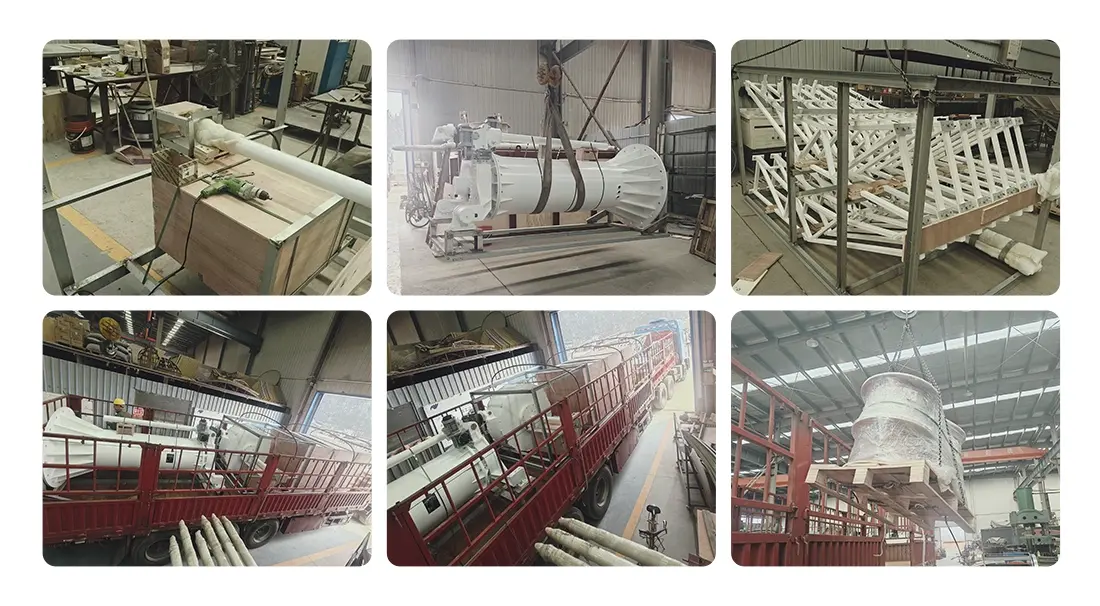
Advanced Quality Control Standards
We know your missions depend on outright unwavering quality. That's why each recieving wire experiences thorough quality confirmation conventions that surpass industry standards.
Our energetic indicating precision tests utilize hexapod movement test systems to confirm following soundness beneath reenacted ocean conditions some time recently your framework ever takes off our office. Each unit perseveres over 1,000 hours of salt shower testing taking after ASTM B117 measures to ensure platform and nourish horn keenness in sea air.
Antenna design estimations confirm side-lobe levels and cross-polarization confinement over all recurrence groups. Our servo framework recurrence reaction testing guarantees the control circle can compensate for quick dispatch movement in real-world conditions.
We too test radome hydrophobicity and transmission misfortune to avoid water film flag debasement amid overwhelming rain or ocean spray—a common disappointment point in lesser systems.

FAQ
Q: How does your framework keep up flag quality between distinctive recurrence bands?
A: Our recieving wire employments high-rejection diplexers and progressed waveguide sifting that give over 100dB of separation between transmit and get ways. This anticipates impedances and keeps up flag astuteness over both S and X groups simultaneously.
Q: Can the recieving wire work amid serious climate conditions?
A: Yes. Our frameworks are appraised for full operational following in winds up to 70 km/h and can survive stowed conditions in winds surpassing 200 km/h. The six-axis recompense keeps up following indeed in hurricane-force conditions when appropriately secured.
Q: How do you ensure the touchy nourish framework from salt corrosion?
A: The bolster framework is pressurized with dry nitrogen or clean discuss to anticipate dampness and salt entrance. Combined with our 316L stainless steel development and IP68 fixing, this makes a comprehensive defense against the destructive marine environment.
Q: What upkeep does the servo framework require?
A: Our industrial-grade ship-borne servos are outlined for 10,000 hours MTBF (Cruel Time Between Disappointments). Standard upkeep includes semi-annual grease of gears and seals—minimal mediation for greatest uptime.
Q: Is your radio wire congruous with existing shipborne communication systems?
A: Completely. Our recieving wire is planned for consistent integration with center shipborne TT&C frameworks. The standard interface conventions and double control supply setup guarantee compatibility with most vessel communication infrastructures.
Q: How rapidly can the framework procure and bolt onto a obsequious signal?
A: Procurement time depends on introductory indicating exactness, but our progressed servo control and monopulse following capabilities regularly accomplish flag bolt inside seconds once the fawning is in the antenna's field of see.
Get Started with Professional Maritime Communication
Ready to enhance your vessel's satellite communication capabilities with Ship-borne Multi-Band TT&C Antenna? Contact us today at hebei_mota@163.com to discuss your project and receive detailed technical documentation.
Tell us your requirements – get a tailored quote and technical support within 24 hours.