- English
- French
- German
- Portuguese
- Spanish
- Russian
- Japanese
- Korean
- Arabic
- Greek
- German
- Turkish
- Italian
- Danish
- Romanian
- Indonesian
- Czech
- Afrikaans
- Swedish
- Polish
- Basque
- Catalan
- Esperanto
- Hindi
- Lao
- Albanian
- Amharic
- Armenian
- Azerbaijani
- Belarusian
- Bengali
- Bosnian
- Bulgarian
- Cebuano
- Chichewa
- Corsican
- Croatian
- Dutch
- Estonian
- Filipino
- Finnish
- Frisian
- Galician
- Georgian
- Gujarati
- Haitian
- Hausa
- Hawaiian
- Hebrew
- Hmong
- Hungarian
- Icelandic
- Igbo
- Javanese
- Kannada
- Kazakh
- Khmer
- Kurdish
- Kyrgyz
- Latin
- Latvian
- Lithuanian
- Luxembou..
- Macedonian
- Malagasy
- Malay
- Malayalam
- Maltese
- Maori
- Marathi
- Mongolian
- Burmese
- Nepali
- Norwegian
- Pashto
- Persian
- Punjabi
- Serbian
- Sesotho
- Sinhala
- Slovak
- Slovenian
- Somali
- Samoan
- Scots Gaelic
- Shona
- Sindhi
- Sundanese
- Swahili
- Tajik
- Tamil
- Telugu
- Thai
- Ukrainian
- Urdu
- Uzbek
- Vietnamese
- Welsh
- Xhosa
- Yiddish
- Yoruba
- Zulu
Fixed Satellite Reception Antenna vs. Mobile Antenna: Which One Is Right for You?
Depending on your working needs, placement surroundings, and connection goals, you may decide between a fixed satellite reception antenna and a mobile antenna. Fixed satellite reception antennas provide stronger signals, better dependability, and top-notch performance for fixed ground station installations that need high-quality, ongoing satellite contact. Mobile antennas focus on being portable and adaptable, so they can be used in a variety of situations, such as in transportation, emergency reaction, and short-term usage. Knowing what each option can do technically, how well it works in different environments, and how much it will cost helps procurement professionals choose antennas that are in line with long-term infrastructure investments, strategic business goals, and daily needs.
Introduction
Satellite communication infrastructure is a key part of how aircraft companies, logistics integrators, and industrial automation providers can connect with people all over the world. Choosing the right type of antenna, whether it's fixed or mobile, has a direct effect on how well it works, how reliable the signal is, and how much money you make. We look at fixed satellite reception antennas and mobile antenna systems side by side and give a full study to help buyers, engineers, and people making decisions find the best option. This guide gives businesses the tools they need to improve connectivity, lower deployment risks, and make communication infrastructure stronger in a wide range of operating settings by looking at technical specs, performance factors, and industry uses.
Understanding Fixed Satellite Reception Antennas and Mobile Antennas
Characteristics of Fixed Satellite Reception Antennas
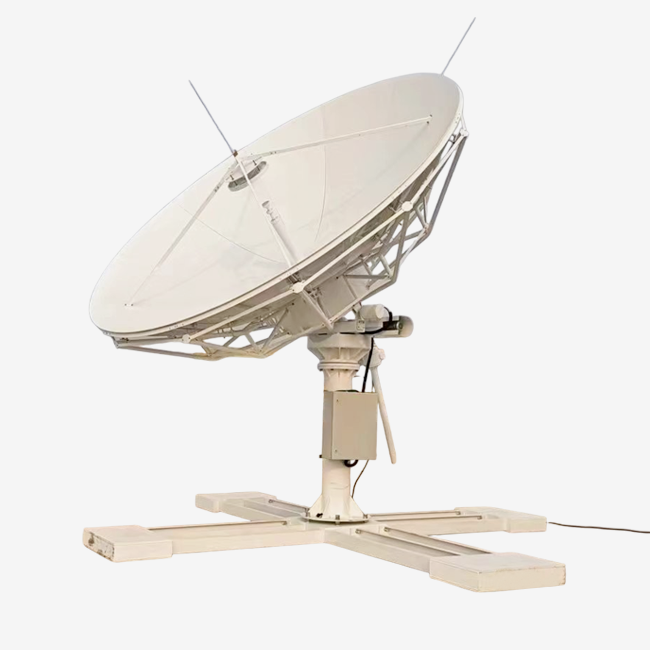
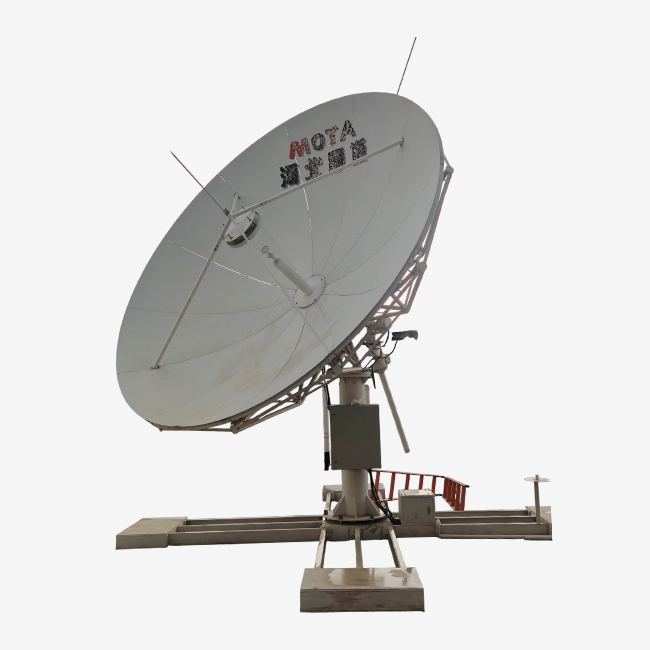
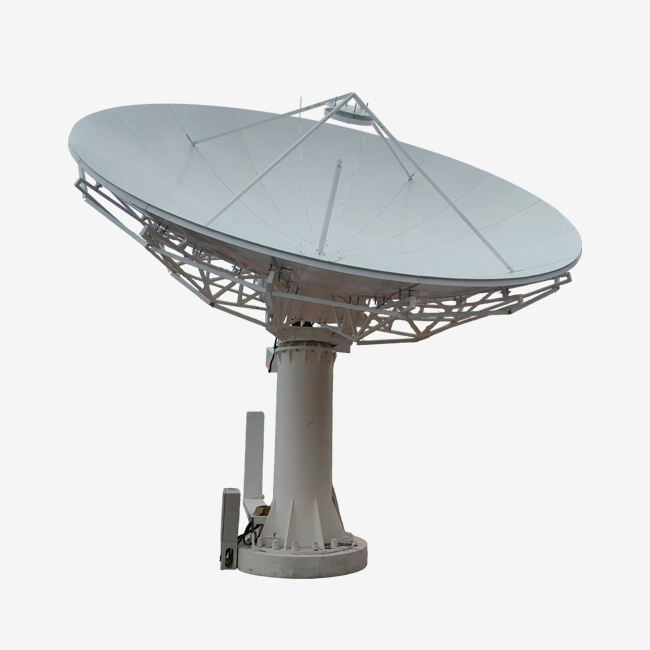
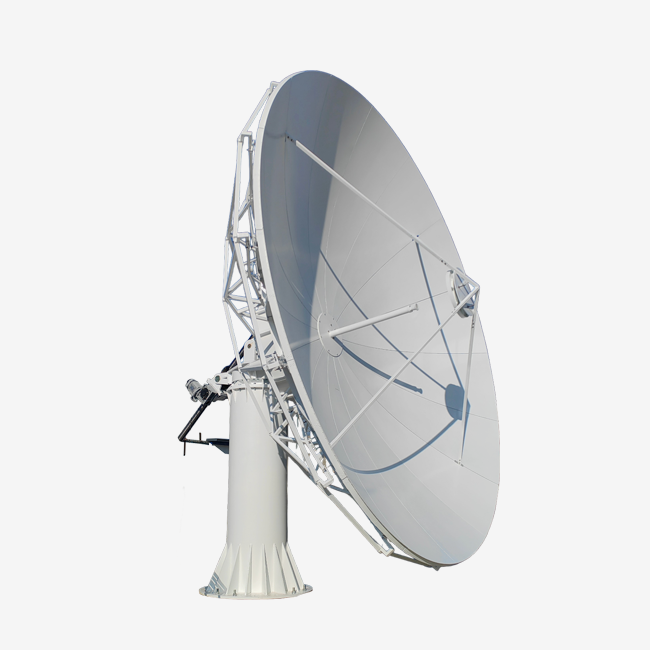
Fixed Satellite Reception Antennas are designed for fixed, long-term installations and are frequently used in telecom hubs, broadcast facilities, and industrial tracking units. Usually, these antennas work in the Ku, Ka, C, X, S, or Qv frequency ranges. To accurately pick up satellite signals, they use parabolic mirrors or flat panel designs. The technology behind fixed antennas focuses on high gain, low noise temperature, and high G/T ratios, which ensures that signals are received perfectly even when the weather is bad. Their fixed mounting systems keep them stable mechanically, letting them line up perfectly with geostationary satellites and reducing signal loss from external factors.
Characteristics of Mobile Satellite Antennas
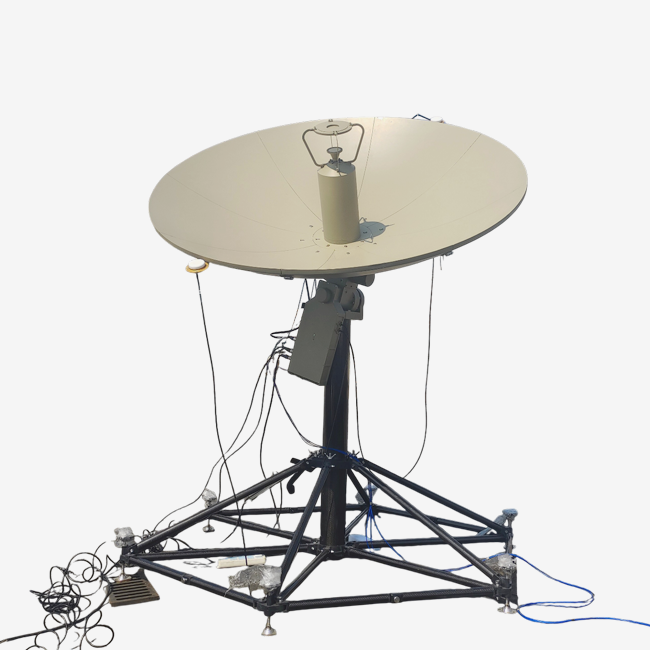
Mobile satellite antennas are designed to be portable and work in a variety of situations, making them useful for marine boats, emergency response teams, military operations, and transportation fleets. Their form allows for constant movement and moving around a lot without losing connection. To keep getting signals while moving, mobile systems use stability platforms, auto-tracking algorithms, and toughened casings. Although mobile antennas don't have as strong of a signal as set sites, they are very important for getting connected when permanent infrastructure isn't possible or isn't realistic. Businesses can choose antennas that meet their needs by understanding these basic differences in form, function, and working conditions.
Comparing Fixed and Mobile Satellite Antennas: Key Metrics and Performance
Signal Quality and Range Considerations
When considering antenna types, signal strength and range are the most important things to look at. Due to exact alignment, stable placement, and optimized reflector geometry, fixed satellite reception antennas typically offer stronger signal strength and improved dependability. These systems have better gain-to-noise temperature ratios, which let them pick up weak satellite signals with little interference. Even though mobile antennas are designed to be mobile, the signal strength can change depending on how the device moves, the limits of the stabilization platform, and environmental factors. Their tracking systems are always moving the antennas to keep the satellite lock, but because people move around, it can be hard to keep the signal strength constant while the systems are working.
Durability and Environmental Resistance
Durability tests show that each type of antenna has its own benefits. With reflector materials chosen to reduce thermal expansion coefficients and keep surface accuracy across temperature ranges, fixed satellite reception antennas excel in hard weather resistance. High wind load safety ratings—often more than 200 km/h—make sure that operations don't stop during bad weather. Mobile antennas are designed to be flexible and durable, with IP-rated housings, shock-resistant mounting systems, and corrosion-resistant materials that can handle the shocks of movement, salt spray, and sudden changes in the environment. These design factors directly address the practical facts of field deployment in a variety of geographical areas.
Installation Complexity and Deployment Timelines
The difficulty of installation changes a lot between types of antennas. For best alignment and performance, fixed satellite reception antennas need skilled techs, thorough site surveys, and time-consuming setup procedures. Depending on how complicated the system is, foundation preparation, antenna assembly, infrastructure wiring, and signal calibration can add days or weeks to the rollout time frame. Mobile antennas can be set up faster and are easier to fix problems with. Their plug-and-play designs make them easy for one person to use and allow for quick link setup. Modern mobile systems can set up a link and align the satellites within three minutes, which greatly cuts down on working downtime. This is an important factor for lifecycle management and efficient buying.
Selecting the Right Antenna for Your Business Needs
Industry Applications and Use Cases
B2B buyers need to make sure that the antenna they choose fits the needs of their business in terms of size, purpose, and operation. Fixed Satellite Reception Antennas work best in constant places like telecom hubs, television uplink centers, industrial tracking stations, and research facilities that need reliable, continuous communication links. These sites help with apps that need a lot of bandwidth, like carrier-grade video sharing, corporate backhaul, and receiving real-time environmental data. Mobile antennas are used in fields that need to stay connected while on the go, such as ocean shipping, cross-border services, emergency response planning, and short-term event coverage. Their ability to be set up quickly and their operating freedom make them useful for situations where terrestrial infrastructure isn't available or isn't practical.
Procurement Considerations and Cost Analysis
When looking at shipping and installation services, it's important to look at choices for buying in bulk, reasonable prices, and warranty terms. Fixed Satellite Reception Antennas generally have higher startup costs but lower ongoing costs over longer placement periods. While mobile antennas don't cost a lot to buy at first, they do cost more to run because of maintenance, stability system care, and environmental protection. Businesses can make smart purchasing choices that fit their specific infrastructure and performance goals by doing a detailed cost-benefit analysis that looks at the original investment, ongoing operational costs, training needs, and long-term return on investment (ROI). Checking how well a seller can do tailoring, technical support, and service after the sale makes sure that they meet quality standards and corporate compliance standards.
Brand and Supplier Insights for Fixed and Mobile Satellite Antennas
Evaluating Manufacturer Credentials
When you buy antennas from reputable companies, you can be sure that they will meet quality standards and work with modern technology. With ISO9001, ISO14001, and ISO45001 certifications, Hebei MOTA shows that it is a leader in its field and is committed to quality control, environmental duty, and health and safety at work. Our custom-made satellite communication antennas use high-precision tracking algorithms and satellite-terrestrial integrated communication technologies to meet the high standards of aerospace contractors, defense organizations, and manufacturers of high-precision electronics. Our high-tech fixed satellite reception antenna can work with Ku/Ka/S/X/C/Qv dual bands and can be switched manually. It covers common communication frequency bands and can be used in a variety of satellite communication situations.
Supplier Capabilities and Service Excellence
This part talks about the trustworthiness of suppliers and stresses how important it is to deal with approved dealers, OEM providers, and certified resellers to make sure that the product is real and that you can get good help after the sale. Some ways to find reliable buying partners are to look for full certifications, professional presence in the area, and the ability to customize products. MOTA keeps enough stock on hand to fill normal orders, has production cycles of 45 to 90 days for special and large-scale systems, and has a customer service line that is open 24/7 to make sure orders are filled on time. Our experienced cross-border logistics system includes professional packaging that keeps items safe from shock and moisture, full-process logistics tracking, and the ability to be easily changed for customs clearing and storage abroad. When procurement teams know how to negotiate at a wholesale level and the benefits of buying in bulk, they can get better prices and service deals that fit with their company's policies and budgets.
Installation, Alignment, and Troubleshooting Best Practices
Fixed Satellite Antenna Installation Protocols
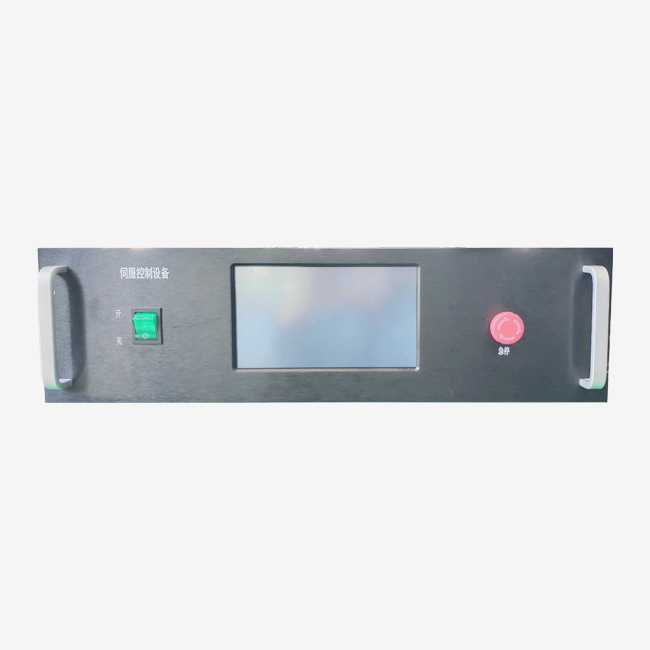
To get the most out of an antenna, it's important to place and align it correctly. Fixed Satellite Reception Antennas need to be set up carefully and step by step, paying special attention to signal tuning, stable placement, and long-lasting connections. Site surveys find the best places to put things by looking at things like line-of-sight needs, interference sources, and the building's weight ability. Assembling the antenna according to the manufacturer's instructions means paying close attention to the accuracy of the reflector surface, the placement of the feed horn, and the alignment of the polarization. Calibration of the signal includes readings from a spectrum analyzer, tracking of beacons, and tweaking of azimuth and elevation angles to meet certain G/T performance goals. Our fixed satellite reception antenna has clever power control systems, modems, and BUC/LNB modules built right in. Its plug-and-play design makes installation easier.
Mobile Antenna Deployment and Maintenance
Mobile antennas focus on being easy to set up and work with, and they have standard repair procedures that can fix problems caused by things like movement or interference from the surroundings. Auto-acquisition systems use GPS positioning, gyroscopic stabilization, and satellite tracking techniques to stay connected even when the machine is moving. Operators use built-in signal strength indicators to make sure the satellites are lined up correctly and then change the stabilization settings to get the best coverage. Our two-axis self-stabilizing platform uses satellite pointing methods that we designed ourselves. This means that satellite alignment can be done in three minutes without having to do a lot of complicated fixing. Regular preventive maintenance, such as checking the weatherproofing, making sure the connectors are working properly, and updating the software, is necessary to keep the signal strong and reduce downtime. This is especially important for businesses that need to use satellite communications in a variety of operational situations.
Conclusion
If you want to choose between fixed satellite reception antennas and mobile systems, you need to carefully think about your business needs, deployment settings, and performance standards. For long-term installations, fixed antennas offer better signal quality, dependability, and cost-effectiveness. On the other hand, mobile systems offer the necessary connection freedom for changing needs. MOTA's modern fixed satellite reception antenna can handle a wide range of communication problems thanks to its ability to work with multiple bands, be set up quickly, and be reliable enough for the military. Our strong support system, which includes technical know-how, customization services, and the ability to handle operations around the world, makes sure that satellite communication solutions are put in place correctly and work well, creating long-term business value.
FAQ
Which communication frequency bands does a fixed satellite reception antenna support?
Advanced Fixed Satellite Reception Antennas can switch between Ku/Ka/S/X/C/Qv frequency bands and other common satellite transmission frequency bands. They can also change to the different signal reception needs of ground stations. This ability to work with multiple bands lets you set it up in a way that fits the needs of your communication task. It works for both general and specialized uses in a wide range of tactical situations.
Can a fixed antenna be repurposed for mobile use?
Fixed satellite reception antennas can't be used successfully for mobile apps because of basic changes in how they are built. Fixed systems don't have the stability platforms, auto-tracking features, or ruggedized housings that are needed to work while moving. Their mounting systems, cable infrastructure, and alignment devices are all designed to work best when they are fixed. This means that conversion is technically impossible and wastes money compared to mobile antenna systems that are made to work on the go.
What are typical installation durations for each antenna type?
Fixed satellite reception antenna setups usually take between two and five days, but this depends on how complicated the system is, how much work needs to be done to prepare the spot, and how well it fits in with the existing infrastructure. Mobile antenna installations are ready to use within hours, and modern systems can align satellites and create a link in just three minutes. These schedules don't include things like site studies, getting permits, and special integration needs that could make the whole job take longer.
Partner with MOTA for advanced fixed satellite reception antenna solutions.
MOTA makes cutting-edge fixed satellite reception antenna systems that are designed to meet the strict needs of global companies in the aerospace, military, transportation, and industrial fields. Our cutting-edge antenna technology works successfully in temperatures ranging from -25°F to +55°F and allows Ku/Ka/S/X/C/Qv multi-band operation. It also keeps 1080p HD video transmission stable in 7-level wind conditions. Our systems make sure that contact between ground stations stays clear with ≥85 dB radio isolation, ≤-14 dB first sidelobe performance, and military-grade dependability. We offer full ODM/OEM customization, expert help 24 hours a day, seven days a week, and services from creation to deployment. Contact hebei_mota@163.com to talk to our expert team about your satellite communication needs and find out why top companies around the world choose MOTA as their chosen fixed satellite reception antenna provider.
References
1. International Telecommunication Union. Handbook on Satellite Communications: Fixed-Satellite Service." ITU Radiocommunication Sector Technical Publications, 2022.
2. Smith, J. R., and Thompson, M. K. "Comparative Analysis of Stationary and Mobile Satellite Ground Stations: Performance Metrics and Operational Considerations." Journal of Satellite Communication Engineering, vol. 45, no. 3, 2023, pp. 112-128.
3. Chen, L., and Rodriguez, A. "Multi-Band Satellite Antenna Systems: Design Principles and Applications in Global Communications Infrastructure. "IEEE Transactions on Antennas and Propagation, vol. 71, no. 8, 2023, pp. 6543-6559.
4. Global Satellite Communications Association. "Best Practices for Satellite Ground Station Procurement and Deployment." Industry White Paper Series, 2024.
5. Anderson, P. W. "Environmental Resilience in Satellite Communication Systems: Engineering Solutions for Extreme Operating Conditions." Aerospace Technology Review, vol. 28, no. 2, 2023, pp. 87-104.
6. Martinez, E. S., and Kumar, R. "Cost-Benefit Analysis of Fixed versus Mobile Satellite Communication Infrastructure for Enterprise Applications." International Journal of Telecommunications Management, vol. 16, no. 4, 2024, pp. 234-251.
Tell us your requirements – get a tailored quote and technical support within 24 hours.