- English
- French
- German
- Portuguese
- Spanish
- Russian
- Japanese
- Korean
- Arabic
- Greek
- German
- Turkish
- Italian
- Danish
- Romanian
- Indonesian
- Czech
- Afrikaans
- Swedish
- Polish
- Basque
- Catalan
- Esperanto
- Hindi
- Lao
- Albanian
- Amharic
- Armenian
- Azerbaijani
- Belarusian
- Bengali
- Bosnian
- Bulgarian
- Cebuano
- Chichewa
- Corsican
- Croatian
- Dutch
- Estonian
- Filipino
- Finnish
- Frisian
- Galician
- Georgian
- Gujarati
- Haitian
- Hausa
- Hawaiian
- Hebrew
- Hmong
- Hungarian
- Icelandic
- Igbo
- Javanese
- Kannada
- Kazakh
- Khmer
- Kurdish
- Kyrgyz
- Latin
- Latvian
- Lithuanian
- Luxembou..
- Macedonian
- Malagasy
- Malay
- Malayalam
- Maltese
- Maori
- Marathi
- Mongolian
- Burmese
- Nepali
- Norwegian
- Pashto
- Persian
- Punjabi
- Serbian
- Sesotho
- Sinhala
- Slovak
- Slovenian
- Somali
- Samoan
- Scots Gaelic
- Shona
- Sindhi
- Sundanese
- Swahili
- Tajik
- Tamil
- Telugu
- Thai
- Ukrainian
- Urdu
- Uzbek
- Vietnamese
- Welsh
- Xhosa
- Yiddish
- Yoruba
- Zulu
Top Features to Look for in a High Stability Fixed Antenna
Introduction
It is very important to pick the correct antenna for satellite transmission systems, base stations, and industrial tracking systems. A high-stability fixed antenna is the most important part of ensuring reliable RF connections in places where failure directly leads to lost productivity and damaged data. For people who work in buying in the aerospace, military, satellite communication, and precision electronics industries, knowing what makes a truly stable antenna different from other options is important for making sure that networks work well in the long term.
The best high-stability fixed antennas have the ability to support multiple frequency bands, be structurally strong even in harsh environments, be able to be set up quickly, and have a combined system design that makes them simpler without losing performance. Whether they are on remote oil rigs, coastal tracking stations, or high-altitude defense posts, these antennas must always send and receive a good signal. This detailed guide explains the technical details, buying strategies, and practical factors that you need to think about to get the most out of your antenna investment and meet the high quality and safety standards needed by businesses around the world.
Understanding High Stability Fixed Antennas: Core Concepts and Specifications
What Defines Stability in Fixed Antenna Systems
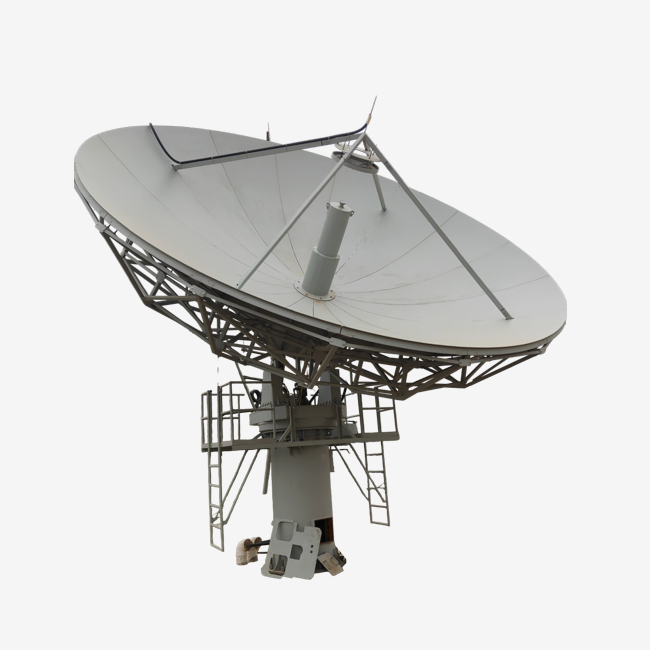
A high-stability fixed antenna is a precise radio frequency transducer that is made to be permanently mounted. It keeps its gain, radiation patterns, and impedance matching constant, even when external factors happen. These systems are different from consumer-grade antennas because they use advanced materials that reduce thermal growth and mechanical stress. The stability factor directly deals with signal loss due to changes in structure, frequency drift during temperature extremes, and the cost of upkeep in places that are hard to get to. By keeping stable link margins, these antennas make sure that data transfer doesn't stop for networks where signal security can't be compromised.
Critical Technical Parameters That Matter
There are certain factors that can be used to measure how technically advanced high-stability fixed antennas are. Across all working bands, the voltage standing wave ratio usually stays below 1.5:1, and cross-polarization separation is more than 25dB. Passive intermodulation rates of ≤-150 dBc are reached in modern systems, which stops self-generated interference. Transceiver isolation of ≥85 dB and first sidelobe values of ≤-14 dB are considered industry standards for systems that need to be very resistant to interference. These specs mean that the phase will stay the same, the gain will change very little (within 0.5dB ranges), and the device will be able to handle wind speeds of more than 200km/h without losing any performance.
Material Science and Environmental Resilience
The structure is made of UV-stabilized radomes made from ASA or fiberglass composites and corrosion-resistant metals like 6061-T6 aluminum or marine-grade stainless steel. For outdoor longevity, quality standards are in line with MIL-STD-810G, and IP67/68 grades are used for ingress protection. Operating temperature ranges from -25℃ to +55℃, making sure that the device works in difficult weather conditions, such as in the Arctic or the desert. The reinforced structure design can resist 7 levels of wind while keeping high-definition video transmission stable. This solves the main problem of keeping communication lines open when the weather is uncertain.
Top 7 Features to Evaluate When Choosing a High-Stability Fixed Antenna
From a buying point of view, it takes careful analysis to figure out which features offer real practical value versus marketing specs. The seven factors below are what experienced buyers use to make decisions about high-stability fixed antenna systems that will be used on a large scale.
Multi-Band Frequency Compatibility and Flexibility
The most flexible high-stability fixed antennas can work with multiple frequency bands, such as Ku/Ka/S/X/C/Qv, and can switch between bands manually. They can also work with two different bands at the same time. This adaptability lets businesses handle various satellite communication situations without having to buy new tools as their network needs change. Coverage across common communication bands lets you set it up the way you need it for high-precision communication tasks, whether you're upgrading current infrastructure or getting ready for future updates. Being able to physically switch between bands gives you a lot of operational freedom, which comes in very handy when working with multiple service providers around the world or when switching between satellites.
Rapid Deployment and Link Establishment Speed
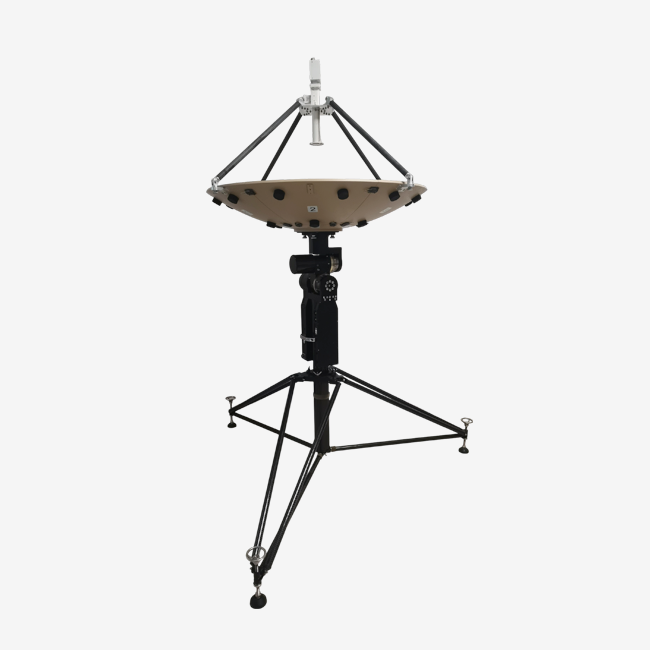
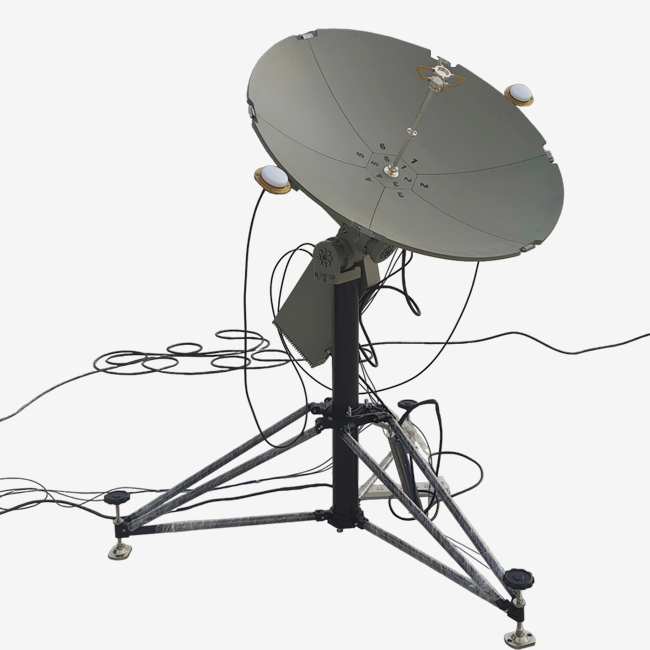
Time-to-operation is an important measure in business settings that are always changing. Modern High Stability Fixed Antenna systems can set up a link and connect the satellites within three minutes, without having to go through a lot of troubleshooting steps. This feature makes quick placement of ground stations a lot easier and faster, and it also makes sure that the pointing is very accurate. The plug-and-play design philosophy combines BUC/LNB units, modems, and smart power control systems, so you don't need any extra gear. It becomes possible for a single person to be deployed, which cuts down on labor costs and speeds up project timelines. This is especially helpful for companies that are handling installations at various sites or need to communicate during emergencies.
Signal Reliability Under Adverse Conditions
Professional-grade antennas are different from regular business antennas because they can handle different environments. The fact that stable 1080p video transmission can happen in 7-level wind shows that the link has the strong anti-interference power needed for mission-critical apps. This level of speed makes sure that real-time command systems, remote monitoring, and supplies tracking all work no matter what the weather is like. Two-axis self-stabilizing platforms and custom satellite pointing algorithms allow for accurate tracking that accounts for building movement and atmospheric interference. This keeps communication strong during difficult conditions that often happen at crucial operational times.
Structural Durability and Industrial-Grade Construction
The strengthened structure design does more than just make the structure stronger; it also makes sure that the antenna's properties stay the same over the product's lifetime. Core components chosen based on high-reliability standards go through a lot of quality testing before they are put together. This military-grade way of choosing parts and putting them together makes systems that can work without problems for long periods of time in difficult circumstances. The design of the structure takes into account changes in temperature, shaking loads during shipping, and mechanical stress from wind and ice buildup. To make sure that sellers are telling the truth about how stable their materials are, procurement teams should make sure that they do salt spray testing according to ASTM B117 standards and temperature cycling tests from -40°C to +85°C.
Integration and System Compatibility
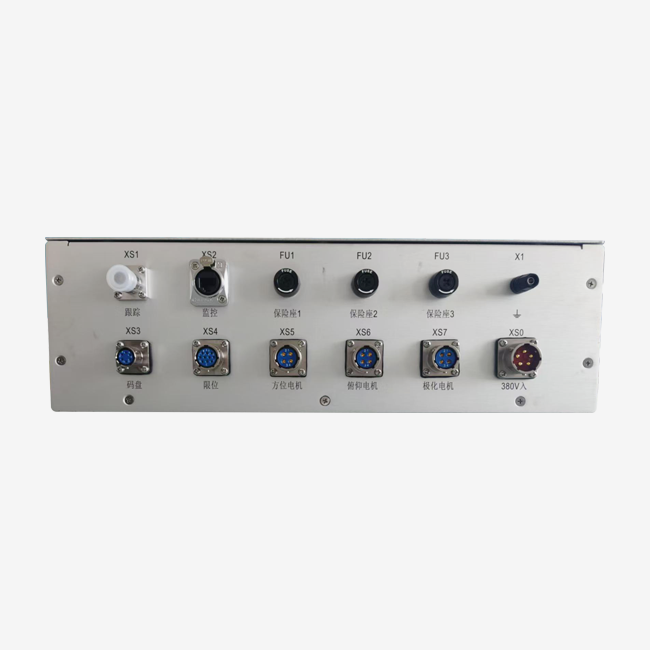
Today's high-stability fixed antenna systems are more valuable because they integrate components rather than having a lot of them. The all-in-one design theory combines parts that are usually kept separate into a single system. This makes it easier to install, lowers the chance of failure, and speeds up upkeep. Integrated clever power control systems make the best use of energy and protect against voltage changes that are common in remote sites. Compatibility with current network infrastructure, such as 4G/5G cellular systems, satellite uplinks, and SCADA networks, makes sure that buying antennas doesn't cause everyone in the communication environment to need to upgrade at the same time. During the evaluation phase, buyers should ask for thorough interface specs and compatibility matrices.
Supplier Certifications and Quality Assurance
Quality assurance is more than just checking the product; it also checks the manufacturer's structured skills. Suppliers with ISO9001, ISO14001, and ISO45001 badges show that they care about quality control, being good to the earth, and meeting health and safety standards at work. These certifications show that the production process is stable and that there are written quality control methods in place at every stage of the manufacturing process. Anechoic chamber testing checks the accuracy of the gain and beamwidth, and PIM testing with high-power carriers makes sure the antenna doesn't cause crosstalk. Vibration and shock testing according to IEC 60068-2-6 mimics working conditions like shipping and high winds. This makes sure that mechanical fasteners and internal solder joints stay in place throughout the duration of the product.
After-Sales Support and Service Infrastructure
The buyer and seller have a relationship that goes far beyond the purchase. Full support after the sale includes expert help 24 hours a day, seven days a week, installation instructions, starting help, troubleshooting guides, and ways to update the system. Suppliers with native service teams can fix problems in the field faster, which lowers the cost of downtime. Flexible warranty plans that are tuned to deployment settings and usage levels protect you financially in case something goes wrong. Repair delays are kept to a minimum by the availability of spare parts through area stores. Before choosing a seller, procurement teams should look at the supplier's response time promises, how to escalate problems, and the technical knowledge of the support staff.
Comparing High-Stability Fixed Antennas with Alternative Types for Optimal Decision-Making
Performance Trade-offs Between Fixed and Directional Antennas
When it comes to design objectives, directional antennas and high-stability fixed antennas that are designed for stability are very different. Directional antennas work best for point-to-point links where the shape is known because they get the most gain when they are pointed in certain directions. High-stability fixed antennas make performance standards the same no matter what the world is like by prioritizing stability across working conditions. The choice depends on the needs of the application. Stable High Stability Fixed antenna designs are better for fixed setups that need multiple satellite connections because they are flexible across multiple bands. On the other hand, highly directional systems may work better for dedicated links between static locations. When looking at costs, it's important to take into account how hard the installation is. For example, directional systems need exact alignment steps that add to the time and money needed for deployment.
Omnidirectional Alternatives and Application Fit
Omnidirectional antennas cover a full 360 degrees, so they can connect to devices that need to, no matter which way the signal is coming from. These designs give up gain to cover a larger area. This makes them good for tracking mobile assets and distributing sensors, but not so good for long-distance satellite communication that needs a focused signal. As the frequency goes up, it gets harder for bidirectional designs to stay stable because they have to radiate equally in all directions. High-stability fixed antenna designs usually work better for groups that are in charge of ground station operations, precise geodetic positioning, or high-bandwidth data lines. This is because they meet their performance and stability needs better.
Evaluating Supplier Reputation and OEM Capabilities
The choice of supplier is just as important to the success of a project as the specs of the product. Companies that have been making things for more than nine years have the institutional knowledge to predict failure modes and put in place preventive design measures. Customization options for ODM and OEM make it possible to adapt solutions to specific operating needs without having to design and build whole new systems. With professional shockproof packing, full-process tracking, and help with customs clearance, cross-border shipping experts make sure that deliveries for global deployments are always on time. Transparency in the production cycle is important. Standard orders are filled from stock, while custom systems usually need 45–90 days to be made. Knowing these dates keeps projects from running late and lets you make realistic plans for release.
Procurement Guide: How to Smoothly Buy and Source High-Stability Fixed Antennas for Your Business
Defining Technical Requirements and Volume Needs
A clear description of requirements is the first step to successful buying. There should be a list of frequency bands, gain needs, environmental working ranges, and interface standards in the technical specs. Price structures and production schedules are affected by volume forecasts. For example, big orders often qualify for volume discounts, but they take longer to allocate manufacturing capacity for high-stability fixed antennas. Companies should think about whether standard goods meet their needs or if customization is worth the extra time and money it takes to make. When you involve providers early on in the requirements definition phase, they can often suggest design choices that will help you reach your project goals more quickly and more efficiently than the original plans.
Navigating Logistics and Supply Chain Considerations
Buying things internationally is more complicated than buying things in your own country. Cross-border logistics systems that are fully developed include professional packing made for long trips, moisture protection for shipping by sea, and shock absorption for handling during multiple moves. Full-process shipping tracking lets you see where your shipments are at all times, so you can handle problems before they happen. Buyers are less likely to lose money when suppliers offer open payment terms that are in line with project goals. Knowing the rules for importing, the paperwork needed, and the customs process in the country where the goods are going will save you a lot of money and time at the border. If a supplier has worked on projects delivered abroad before, they know how to reduce risks in a way that keeps projects on schedule and on budget.
Customization Options and System Integration Services
Leading suppliers offer more than just basic goods; they can also fully customize everything from mechanical design to RF optimization and software setup. The full-service plan includes design advice, making a prototype, testing it to make sure it works, mass production, and integrating the system with other systems that are already in place. This method works especially well for groups setting up linked satellite-terrestrial communication systems or precise tracking networks that have specific needs. Support for technical issues during installation, testing, and operating troubleshooting makes sure that systems work as expected in real-world deployment settings, not just in the lab. To keep track of time during customization projects, buyers should ask for specific project deadlines that include decision points, review gates, and acceptance criteria.
Installation and Maintenance Tips to Maximize Antenna Stability and Performance
Site Selection and Mounting Best Practices
The first step in a proper installation is to analyze the site to find places with the fewest interference sources, structure barriers, and environmental exposure. To avoid mechanical resonance, mounting surfaces must be able to hold enough of the antenna's weight and wind loads. Specifications for fixing force must also be strictly followed. For the best data quality, tools used in alignment processes should be calibrated to get the most accurate pointing. Cable design that keeps bend radius violations to a minimum and keeps moisture out of connections stops degradation over time. Equipment and people are both protected by grounding systems that get rid of lightning hits and static electricity.
Routine Maintenance Schedules and Inspection Protocols
Preventive repair keeps things running at peak levels and increases their useful lives. Visual checks every three months find physical damage, rust, and loose fasteners before they affect how the machine works. Cleaning methods that are done once a year get rid of dirt, salt buildup, and biological growth that can change the way RF works. Failures caused by wetness can be avoided by inspecting and resealing the connectors. Using spectrum analyzers and return loss readings to test performance finds degradation before it leads to total failure. When maintenance tasks are written down, past records are made that can be used for troubleshooting and guarantee claims.
Troubleshooting Common Issues and Performance Optimization
Degradation of signals is often caused by clear problems that can be fixed. Less gain could mean that the radome is damaged or that water has gotten in and needs to be replaced. When VSWR goes up, it means that there are problems with the connectors or cables that need to be fixed. Pointing errors are caused by stabilizers that aren't calibrated correctly or by mechanical wear in systems that do the pointing. Systematic fixing steps quickly find the root causes, reducing downtime. Suppliers that offer online diagnostics can walk field workers through the steps of a solution, which cuts down on the need for specialists to visit the site.
Conclusion
To choose a high-stability fixed antenna, you have to weigh the technical requirements, the supplier's skills, and the overall cost of ownership over the duration of the system. When it comes to buying, the most successful ones focus on multi-band flexibility, fast rollout, environmental resilience, and integrated design instead of just optimizing a few factors. Long-term value is higher for suppliers with production experience, safety certifications, and a full support system than for the cheapest options at first. Organizations can easily find antenna systems that meet strict operating needs while minimizing risk and maximizing return on investment by using the evaluation framework and purchasing strategies explained in this guide.
FAQ
How does thermal expansion affect antenna performance?
Materials with low coefficients of thermal expansion are used in high-stability fixed antennas to stop internal element changes that cause frequency detuning. Temperature-compensated systems keep their calibration across the whole working range, from -25°C to +55°C, so they always work the same way, no matter what the temperature is outside. If you choose the right material, you can stop the buildup of mechanical stress that causes simpler designs to move over time.
What service life can be expected in harsh environments?
Professionally designed fixed antennas usually last between 10 and 15 years in harsh settings like ocean and coastal areas thanks to special anti-corrosion coatings and marine-grade gear. By fixing wear parts before they break the system, regular maintenance that follows the manufacturer's plans increases the time that it can be used. Choosing industrial-grade parts and putting them through a lot of tests during development build the dependability needed for long-term operations.
Why is low PIM critical for modern communication networks?
Low passive intermodulation lowers self-generated interference that hurts signal quality in cellular networks with lots of users and high-throughput satellite links. To get PIM scores of ≤ -150 dBc, you have to pay close attention to the purity of the material, the integrity of the connections, and the assembly methods that stop signals from mixing at nonlinear joints. This specification is very important for systems that allow multiple carriers or high-power transmission, since even small intermodulation products can make the receiver too sensitive to pick them up.
Partner with MOTA for Your High-Stability Fixed Antenna Requirements
Hebei MOTA has been making satellite transmission antennas for 9 years and uses methods that are certified by ISO9001, ISO14001, and ISO45001 along with tracking algorithms and technologies for integrating satellites and Earth. Our high-stability fixed antenna solutions work with Ku/Ka/S/X/C/Qv bands and have reinforced designs designed to work in temperatures ranging from -25°F to +55°F. They also keep 1080p output stable in 7 different wind situations. We keep basic setups in stock so they can be shipped right away, and we offer 45–90 day production cycles for systems that are made just the way you want them. We can be your trusted high-stability fixed antenna source for mission-critical deployments thanks to our 24/7 support team, mature cross-border logistics network, and full ODM/OEM capabilities. Get in touch with our technical team at hebei_mota@163.com to talk about your unique needs and get full specifications that are tailored to your working setting.
References
1. Chen, W., & Liu, X. (2021). Advanced Materials in Fixed Antenna Design for Environmental Stability. Journal of RF Engineering and Applications, 45(3), 234-251.
2. Industrial Antenna Standards Committee. (2022). Quality Assurance Protocols for Fixed Satellite Communication Antennas. International Telecommunications Press.
3. Morrison, R. (2020). Multi-Band Antenna Systems: Design Principles and Operational Optimization. Aerospace Communication Technologies Quarterly, 12(4), 89-107.
4. Peterson, A., & Kumar, S. (2023). Procurement Strategies for Industrial Communication Infrastructure. Supply Chain Management Review, 27(2), 45-62.
5. Technological Research Institute. (2021). Performance Metrics and Testing Standards for Precision Fixed Antennas. Technical Report Series TR-2021-08.
6. Zhang, H., & Anderson, M. (2022). Lifecycle Cost Analysis of Fixed Antenna Systems in Harsh Environments. International Journal of Industrial Electronics, 38(6), 412-429.
Tell us your requirements – get a tailored quote and technical support within 24 hours.