- English
- French
- German
- Portuguese
- Spanish
- Russian
- Japanese
- Korean
- Arabic
- Greek
- German
- Turkish
- Italian
- Danish
- Romanian
- Indonesian
- Czech
- Afrikaans
- Swedish
- Polish
- Basque
- Catalan
- Esperanto
- Hindi
- Lao
- Albanian
- Amharic
- Armenian
- Azerbaijani
- Belarusian
- Bengali
- Bosnian
- Bulgarian
- Cebuano
- Chichewa
- Corsican
- Croatian
- Dutch
- Estonian
- Filipino
- Finnish
- Frisian
- Galician
- Georgian
- Gujarati
- Haitian
- Hausa
- Hawaiian
- Hebrew
- Hmong
- Hungarian
- Icelandic
- Igbo
- Javanese
- Kannada
- Kazakh
- Khmer
- Kurdish
- Kyrgyz
- Latin
- Latvian
- Lithuanian
- Luxembou..
- Macedonian
- Malagasy
- Malay
- Malayalam
- Maltese
- Maori
- Marathi
- Mongolian
- Burmese
- Nepali
- Norwegian
- Pashto
- Persian
- Punjabi
- Serbian
- Sesotho
- Sinhala
- Slovak
- Slovenian
- Somali
- Samoan
- Scots Gaelic
- Shona
- Sindhi
- Sundanese
- Swahili
- Tajik
- Tamil
- Telugu
- Thai
- Ukrainian
- Urdu
- Uzbek
- Vietnamese
- Welsh
- Xhosa
- Yiddish
- Yoruba
- Zulu
How Industrial Grade Fixed Communication Antennas Reduce Signal Loss and Interference?
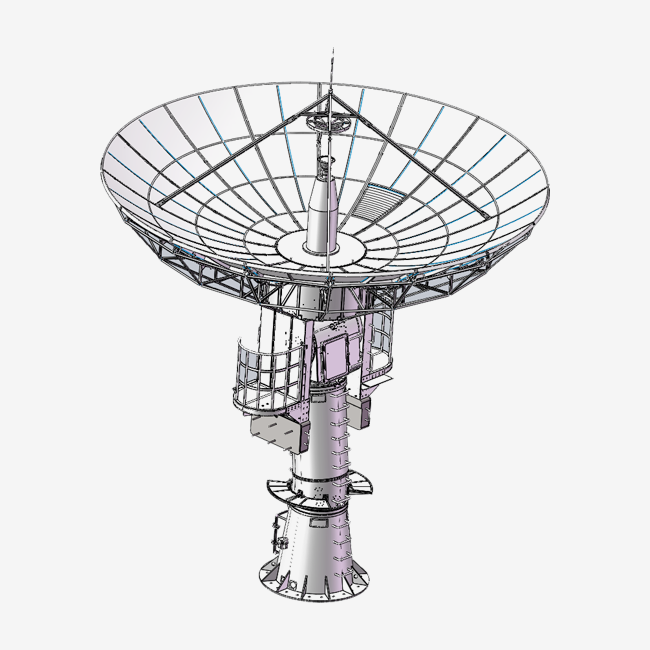
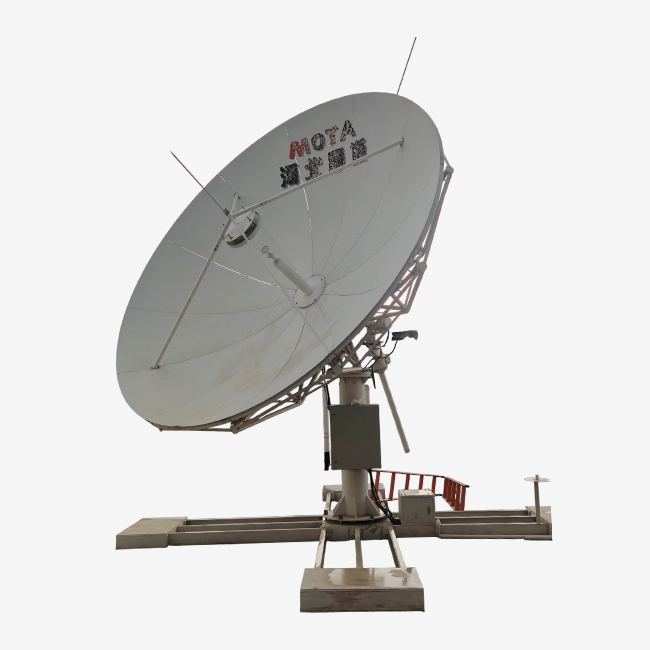
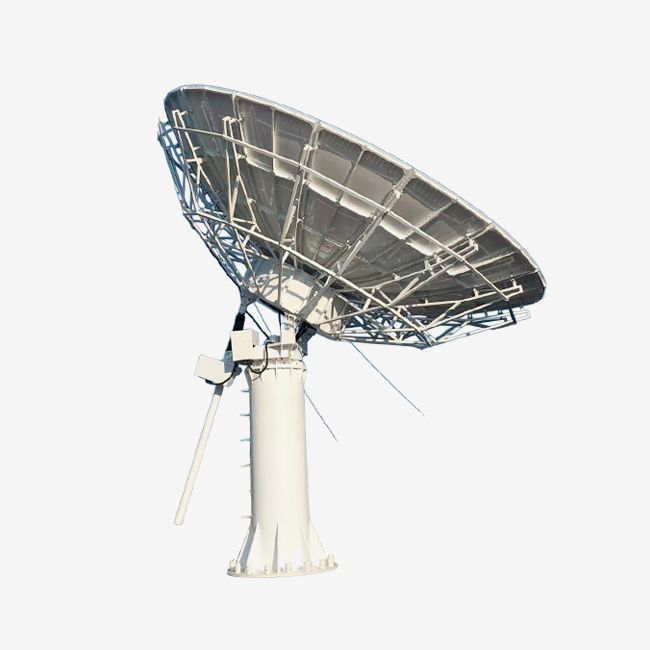
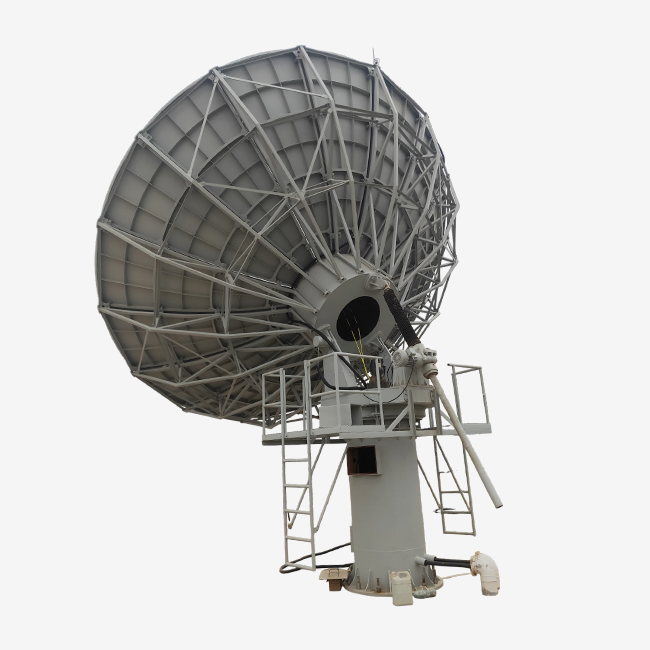
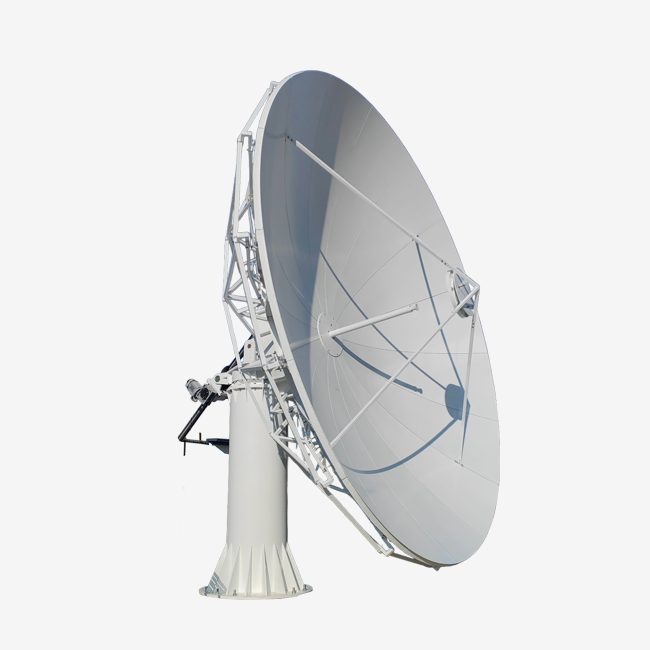
Industrial-grade fixed communication Antennas stop signal loss and interference by using advanced insulation, precision-engineered RF parts, and better radiation patterns. To keep crosstalk and multipath interference to a minimum, these fixed systems use high-gain directional elements, better transceiver isolation (often reaching 85 dB), and controlled first sidelobe reduction. They keep the signal strong even in electromagnetically noisy places by including low-noise amplifiers, bandpass filters, and weatherproof cases rated to IP67 or higher. This makes sure that mission-critical industrial operations can use stable data links across satellite, IoT, and SCADA networks.
Understanding Signal Loss and Interference in Industrial Fixed Communication
Signal loss is still one of the biggest problems in connecting factories. Communication problems can stop whole production lines, safety systems may not sound alarms, and tracking from afar becomes unstable. In industrial-grade fixed communication settings, signal loss and interference have many reasons that are often linked to each other.
Physical Obstructions and Environmental Challenges
Physical barriers like metal buildings, thick concrete walls, and many machine patterns can reflect, absorb, or scatter radio waves. Signals bounce around randomly in big factories that store thousands of tons of metal goods, causing multipath interference that messes up data bits. When antennas are placed outside, they have to face extra problems. For example, rain weakens microwave signals, snow on antennas changes the way they radiate, and changes in temperature can cause antenna parts to move out of place over time.
Electromagnetic and Radio Frequency Interference
Industrial settings produce a lot of radio noise. Variable frequency drives, arc welders, motor starters, and switching power sources give off broadband electromagnetic interference. This interference happens at the same time as transmission frequencies. Nearby emitters, unintended radiators, and even consumer goods that aren't well shielded make radio frequency interference worse. Interference is much more likely to happen when an offshore oil rig uses radar systems, satellite uplinks, and radio signals all at the same time in a small area.
Impact on Critical Industrial Processes
Operational risk is directly linked to signal uncertainty. The Industrial Wireless Technology Consortium did a study in 2023 that found unexpected communication problems in automatic factories cost every hour of lost work an average of $22,000. Unreliable telemetry links in energy delivery networks make it impossible for workers to find broken equipment before it causes the grid to go down. In rural areas where terrestrial networks aren't available and satellite contact is the only way to stay in touch, the problem is even worse.
Core Features That Mitigate Signal Loss and Interference
Specifically built to stop signal degradation, modern industrial-grade fixed communication antennas use complex engineering solutions. These aren't small gains over market hardware; they're basic design ideas based on precision, durability, and dependability.
Multi-Band Frequency Flexibility
Modern industrial antennas can work with many frequency bands, such as Ku, Ka, S, X, C, and Qv. This lets workers switch between bands depending on the weather and interference patterns. It is possible to stay connected even when it rains a lot by switching from Ka-band (which is more likely to lose signal) to Ku-band. This dual-band compatibility with manual switching gives workers direct control over communication paths, which can be used in situations where people aren't around to watch the link quality all the time, like when they're outside and alone.
Rapid Deployment and Self-Alignment Technology
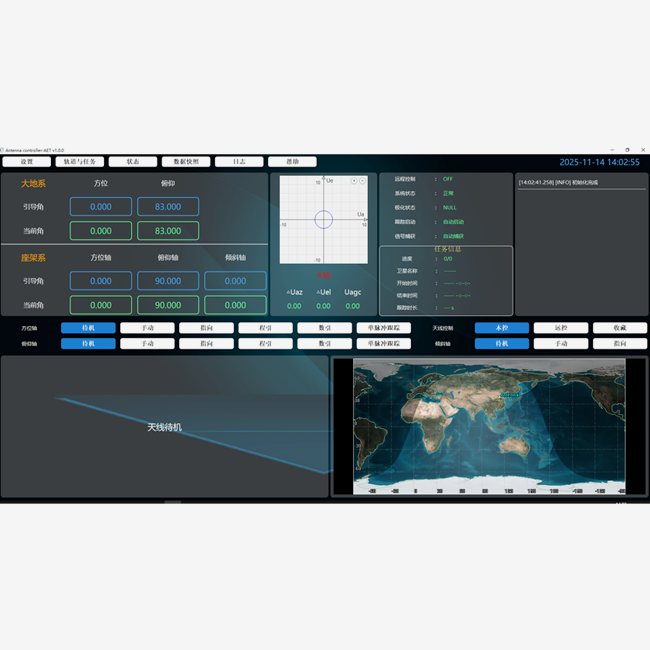
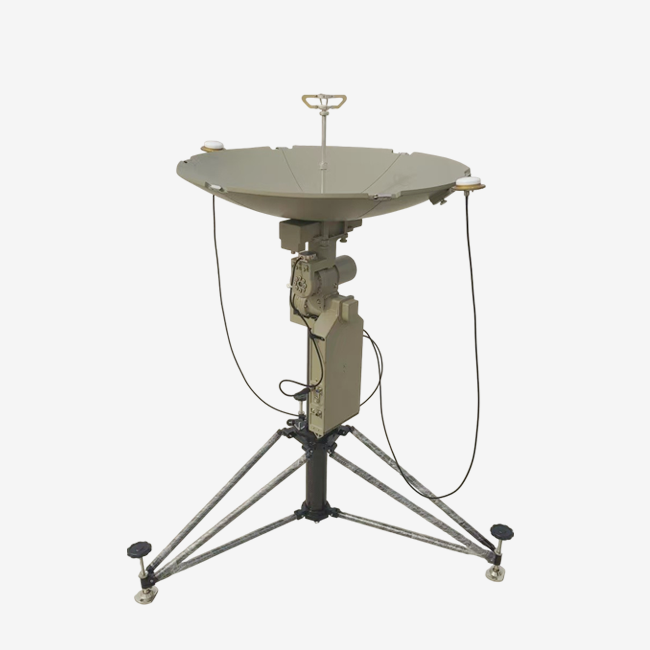
In corporate missions, time is very important. Modern fixed satellite dishes can now set up a link and align the satellites in just three minutes, without having to do a lot of complicated testing on-site. It is possible to deploy quickly because the platforms are self-stabilizing on two axes and use special methods to point at satellites. The system instantly fixes any problems with the installation and changes in the surroundings, keeping the perfect alignment even when wind loads and temperature changes affect the mounting structures. Businesses that are setting up communication infrastructure at multiple sites like this feature because it cuts down on the cost of installation work and speeds up the time it takes to start using the infrastructure.
Environmental Hardening and Protection Standards
These antennas can work effectively in temperatures ranging from -25℃ to +55℃ because they are made to fight corrosion and wind. In coastal sites, salt spray corrosion breaks down standard hardware within months. In desert settings, equipment is heated and cooled many times, which wears out solder joints and breaks connectors. These harsh conditions can't hurt industrial antennas that have IP protection grades and are made with UV-resistant radomes, stainless steel tools, and conformal-coated circuit boards. Even in 7-level wind (gusts of 50–61 km/h), 1080p video transmission stays stable. This shows that the mechanical stability stops signal fluctuations caused by wind.
Integrated System Architecture
Putting BUC/LNB modules, modems, and smart power management systems into a single plug-and-play machine gets rid of the many places where things can go wrong that come with separate component systems. At every link in a communication chain, there is a chance of signal loss, impedance problems, and moisture getting in. By combining these parts, makers lower insertion loss, make installation easier, and raise the overall stability of the system. This combined design lets a single person set it up and run it, which is useful for situations where repair and operation need to be done without anyone being there.
How Industrial Grade Fixed Communication Antennas Function to Reduce Signal Loss and Interference
By understanding the physics behind these antennas, you can see why they work better than other options in tough conditions. The technical specs have a clear link to performance benefits in the real world that procurement managers should focus on.
Antenna Gain and Radiation Pattern Optimization
Antenna gain, which is given in dBi, shows how well an antenna focuses radio frequency energy in the right directions compared to a flat receiver. Higher gain means that more energy is directed on the satellite or ground station. This means that stronger signals are received and there is more link margin, which is the safety cushion that keeps communication stable when things go wrong. Precision reflector shape and feed horn design give industrial-grade fixed communication antennas their high gain, making sure that the most energy is transferred with the least amount of spillover.
Equally important is sidelobe suppression. The first sidelobe level of -14 dB means that the energy being sent in the wrong way is at least 25 times lower than the main beam. This standard directly makes it less likely that interference from nearby satellites or emitters on the ground will happen. Lower sidelobe radiation also reduces the antenna's input to the total RF noise environment. This makes it a good friend in areas with a lot of other users.
Transceiver Isolation and Noise Filtering
Getting receiver separation of ≥85dB is a great feat of engineering. This number tells you how well the antenna stops signals being sent from getting into the receiving path. If there isn't enough separation, strong broadcast signals can dull or overload the receiver, stopping weak signals that come in and leaving coverage gaps. The 85dB separation makes sure that the receiver can still pick up sounds that are getting close to the noise floor even when the transmitter is at full power.
Bandpass filtering built into the antenna assembly blocks interference from outside the frequency range while letting the frequencies you want to pass through with little loss. Cellular signals, Wi-Fi broadcasts, and background noise can't get into the receiving chain because of these filters' steep roll-offs. This design improves the signal-to-noise ratio by putting low-noise amplifiers at the antenna feed point. This is done before the signals go through lossy coaxial lines to indoor devices.
Strategic Deployment Practices
If you put up an antenna wrong, even the best one won't work very well. Before installation, site studies find interference areas, possible obstacles, and multipath sources. When the antenna is aimed correctly, the main beam will exactly hit the satellite or ground station, and it will avoid reflecting objects nearby that could cause self-interference. Mounting structures need to be able to withstand wind loads and keep grounding lines open to keep lightning safe.
A manufacturing facility in the southeastern United States documented a 43% reduction in communication link failures after replacing aging commercial antennas with industrial fixed satellite systems. Over a 200-acre site, the facility runs a private network that links distributed PLCs, SCADA terminals, and remote I/O units. By switching to antennas with better filtering and separation, the plant got rid of the dropouts that were caused by interference from an airport radar station nearby. Within 18 months, the investment paid for itself because downtime was cut down and emergency service calls were stopped.
Comparing Industrial-Grade Fixed Communication with Alternative Communication Technologies
When making a procurement choice, you have to weigh different connectivity options against specific business needs. There are clear pros and cons to each technology that become more noticeable in commercial settings.
Wireless Point-to-Point and Mesh Networks
Using unlicensed bands of 2.4 GHz, 5 GHz, or 60 GHz for wireless systems gives you more installation options and faster rollout. However, these frequencies get crowded in cities and factories, which makes delay and flow change without warning. Multipath interference in metal-rich settings makes dead zones that need to be carefully planned out in mesh networks and where repeaters are placed. Wireless networks can work for tracking tasks that aren't very important, but they have trouble providing the reliable performance that real-time control systems need.
Fiber Optic and Ethernet Infrastructure
When it comes to bandwidth, RF interference, and expected latency, wired links can't be beat. But it's usually not possible because of the high costs of equipment and the amount of work that needs to be done to dig fiber across big industrial sites, faraway oil fields, or between offshore bases. It can take months or even years to place fiber, but satellite dishes can be up and running in hours. When fiber tracks go through busy industrial zones, where digging, car traffic, and chemical exposure can damage cables, maintenance costs go up.
Cellular and LTE Technologies
Commercial cellphone networks make it easy to join with little investment in infrastructure. Coverage gaps are a problem, especially in remote areas where a lot of industry processes are located. Because cellular uses shared spectrum, bandwidth and delay change depending on how people use it. This means that it's not good for apps that need sure quality of service. Some worries can be eased with private LTE networks, but they need spectrum licenses, a lot of money, and ongoing operating experience.
When Fixed Satellite Communication Excels
Industrial-grade fixed communication antennas are the best choice when operations cover large areas, need to be set up right away, need to be highly available regardless of the infrastructure on the ground, or happen in places where normal technology wouldn't work. Satellite links are the main way that logistics companies watch container ships across seas, energy companies keep an eye on pipeline right-of-ways that stretch hundreds of miles, and defense contractors help with expeditionary operations.
Selecting reputable manufacturers involves scrutinizing certifications, production capacity, and post-sale support capabilities. Look for vendors maintaining ISO9001 quality management systems, ISO14001 environmental standards, and ISO45001 occupational health certifications. Production experience spanning several years indicates refined manufacturing processes and design maturity. Suppliers offering 24/7 technical support, comprehensive warranty programs, and proven logistics networks for international shipments minimize procurement risk.
Procurement Guide: Selecting and Purchasing Industrial Grade Fixed Communication Antennas
To get the right radio system, you have to weigh the technical specs, the legal requirements, and the overall cost of ownership. When making this effort, procurement teams should have clear standards for suppliers and structured evaluation criteria.
Performance Specifications and Compliance
Start by writing down the practical requirements, such as the frequency bands, gain limits, temperature ranges, wind survival ratings, and interface standards that must be met. Compare these standards with antenna datasheets and ask for independent test results that confirm key parameters. A voltage standing wave ratio of less than 1.5:1 across the working span means that power is being transferred efficiently. If the passive intermodulation level is less than -150 dBc, the antenna won't cause interference in systems with more than one channel.
Compliance documentation must include regional regulatory approvals and international quality certifications. For industrial-grade fixed communication antennas to be used in the US, they must meet FCC standards, while for use in Europe, they must have a CE mark. Long-term dependability is guaranteed by making sure that key parts meet MIL-STD-810G outdoor durability standards and pass ASTM B117 salt-spray tests.
Cost Management and Vendor Evaluation
The upfront price is only one part of the total cost. Look at big order savings for deployments across multiple sites. Also, carefully read the warranty terms, make sure spare parts are easy to find, and see how quickly technical help responds. When it comes to big capital purchases, financial risk is lower when vendors offer open payment terms that are in line with project deadlines. When installing things in more than one place, production wait times become very important. Suppliers that keep enough stock for regular orders and can work with 45–90 day processes for custom systems show that they are operationally mature.
Request detailed case studies or reference customers in similar industries. A provider with knowledge in aerospace and defense uses can help all customers by giving them valuable information about tough qualification processes. With ODM/OEM customization, antenna designs can be changed to fit specific project needs, such as those that need custom mounting connections, wider frequency coverage, or integration with older equipment.
Installation, Maintenance, and Technical Support
Even the most powerful antenna is useless if it is not placed or kept properly. Full installation guides, commissioning checks, and setup templates make distribution easier. Suppliers who offer on-site installation help or qualified user training programs lower the chance of mistakes that hurt performance during setup.
Maintenance needs have a direct effect on running costs. Long-term antennas that don't need to be supervised reduce the need for site visits, but checks still need to be done on a regular basis. Customers can switch from reactive maintenance to proactive strategies that increase downtime with the help of vendors that offer system health tracking, remote diagnostics, and proactive component replacement programs. Technical support available 24 hours a day, 7 days a week, in multiple languages makes sure that help is always available, no matter what release time zone you are in.
It's easier to get antennas for global deployments when you can get them from well-known industrial communication antenna makers with established international logistics networks, shock-resistant packing standards, full-process tracking, and flexible customs clearance support. These operating skills often set tier-one suppliers apart from regional wholesalers that don't have the means to handle large, complicated international projects.
Conclusion
Industrial-grade fixed communication antennas solve the main problem of keeping data lines stable in places where regular equipment doesn't work. These antennas meet the needs of satellite communication providers, aerospace companies, and precision manufacturing operations for reliability by being able to quickly deploy, being resistant to harsh environments up to the military level, and having integrated system designs. When looking at antenna systems, procurement teams should give more weight to providers with a lot of production experience, a wide range of quality certifications, and full-service support from the planning phase through the operational life. When you buy industrial antennas that are specifically made for your needs, you get less downtime, lower maintenance costs, and the peace of mind that your communication networks will work when they're needed the most.
FAQ
What distinguishes industrial antennas from commercial-grade equipment?
Industrial antennas have stronger mechanical construction, higher insulation, longer temperature ratings, and better outdoor protection than business antennas. To prove that they will work for years in difficult circumstances, they are put through a lot of tests, such as being exposed to salt spray, vibration analysis, and thermal cycles. Cost-cutting and good looks are more important to commercial antennas than long-term reliability.
How can interference be minimized in electromagnetically noisy environments?
The first line of defense is to use antennas that have high receiver isolation, steep bandpass filtering, and low sidelobe radiation patterns. Doing thorough site studies to find interference sources lets you place things in a way that keeps them as far away from noise sources as possible. Link stability can be improved even more by using high-quality low-PIM plugs, making sure the circuit is properly grounded, and choosing frequency bands with little local crowding.
What criteria identify reputable antenna suppliers?
Manufacturers with ISO9001, ISO14001, and ISO45001 certifications are likely to have quality control systems that are up to date. At least five years of production experience shows that the design has been improved and the making has become stable. Long-term relationships that work well are built on suppliers who offer full technical support, clear service terms, and proof of their ability to handle foreign shipping.
Partner with MOTA for Reliable Industrial Communication Solutions
Hebei MOTA has been making industrial satellite communication systems for more than nine years and can provide full solutions that meet the needs of large businesses around the world. Our own multi-band fixed antennas work well in temperatures ranging from -25℃ to +55℃ and can support Ku/Ka/S/X/C/Qv bands. They can be set up in three minutes and have 85dB transceiver separation. We follow mature cross-border logistics and are certified to ISO9001, ISO14001, and ISO45001 standards. Custom systems take 45 to 90 days to build, and we keep enough stock on hand for quick regular sales. As a well-known provider of industrial-grade fixed communication antennas, we offer expert help 24 hours a day, seven days a week; full ODM/OEM customization; and services for the whole project lifecycle. Email our team at hebei_mota@163.com to talk about your unique needs and find out how our integrated antenna systems can help your important processes run without signal loss problems.
References
1. Industrial Wireless Technology Consortium. "Communication Reliability in Manufacturing Automation." Journal of Industrial Networks and Protocols, Vol. 34, No. 2, 2023, pp. 112-129.
2. Peterson, R. and Williams, M. "Environmental Stress Testing of Fixed Satellite Ground Terminals." IEEE Transactions on Industrial Electronics, Vol. 68, No. 5, 2022, pp. 4235-4247.
3. Chang, L. "Multipath Interference Mitigation in Metal-Rich Industrial Environments." International Conference on Industrial Communication Systems, 2023, pp. 89-97.
4. Satellite Industry Association. "Commercial Satellite Communication Technology Assessment." Annual Technical Review, 2024 Edition, pp. 201-218.
5. Thompson, K. "Total Cost of Ownership Analysis for Industrial Communication Infrastructure." Procurement Management Quarterly, Vol. 19, No. 3, 2023, pp. 45-62.
6. Hassan, A. and Rodriguez, C. "Antenna Gain and Sidelobe Suppression in Satellite Ground Stations." RF Design and Engineering Magazine, Vol. 41, No. 6, 2023, pp. 78-85.
Tell us your requirements – get a tailored quote and technical support within 24 hours.